AP.
Water softener and filtration · Ahwatukee, AZ
Water Softeners | in Ahwatukee, AZand filtration choices for 10 to 17.6 grains of hardness
A hard water call starts with what you see, so the dispatcher asks: white crust on faucets, spotted glassware, a water heater that is noisy or short on hot water. The plumber who takes the call starts from the number, which Phoenix reports at 10 to 17.6 grains in each gallon; from there the plumber works out whether you need a softener, a filter, reverse osmosis or only some maintenance.
Call (480) 806-2944 ›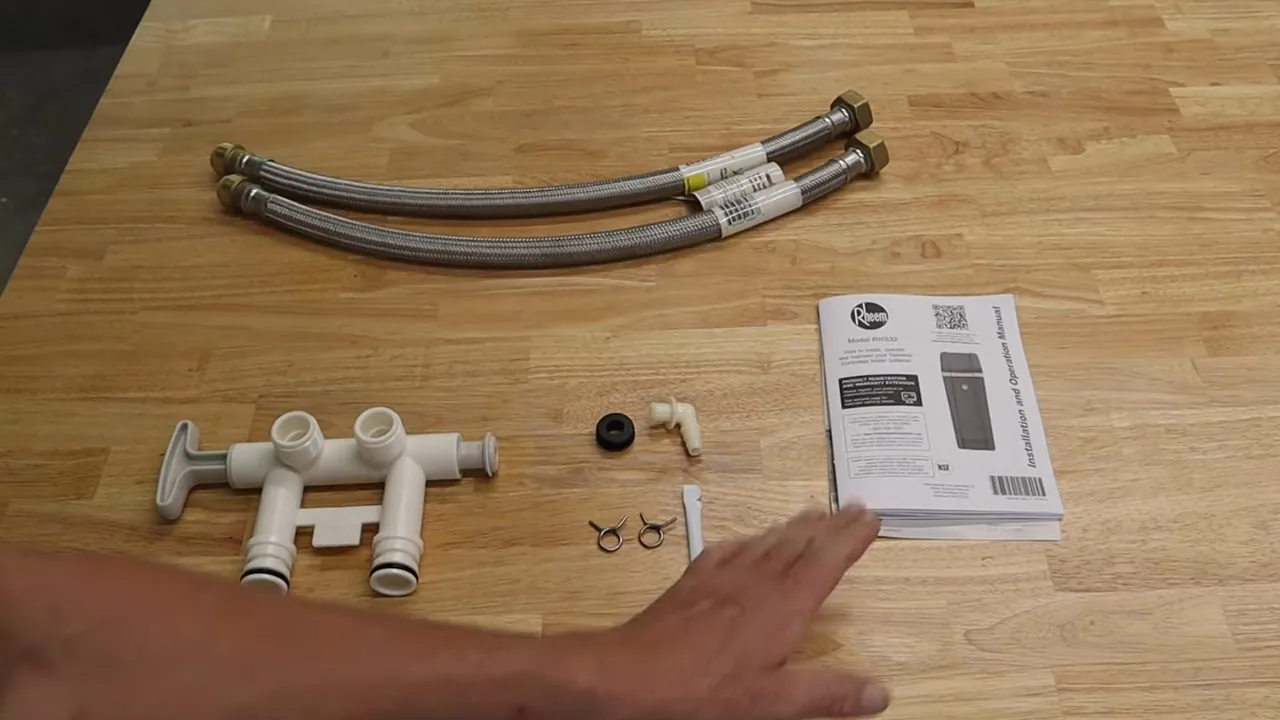
Do you need a softener or a scale reducer at 10 to 17.6 grains?
Hardness is dissolved calcium and magnesium. A softener removes them by swapping them for sodium or potassium in a resin tank, which is why it needs salt. A scale reducer, sometimes called a conditioner, does not remove the minerals; it changes how they form scale, and results vary by product. Neither is right for every home. The decision rests on how much scale you see, what your water heater and fixtures cost to replace, and whether you will keep up the maintenance.
Request a test at your own tap rather than a city average, which can differ from what reaches your house. A reading in grains per gallon lets you compare options and see whether a treatment is working later.
Water treatment and conditioning: softener, filter or reverse osmosis
These are three different tools. A softener treats hardness for the whole house. A filter removes particles, chlorine taste or odor, depending on the media. Reverse osmosis forces water through a membrane to remove dissolved solids, and is normally installed at one tap for drinking and cooking. Most homes with a hardness problem start with a softener and add a drinking-water filter at the kitchen sink if taste is a concern.
| Option | What it does | What to ask |
|---|---|---|
| Salt-based softener | Removes hardness minerals for the whole house | How much water and salt it uses, and where its drain goes. |
| Scale reducer | Changes how scale forms without removing minerals | What evidence the maker offers, and what happens to scale on the heater. |
| Whole-house filter | Removes particles or chlorine from all water | Which contaminants it addresses, and how often cartridges change. |
| Reverse osmosis at one tap | Removes dissolved solids from drinking water | How much water is wasted, and whether remineralizing is included. |
Not sure which one fits? Describe what you see to the dispatcher.
Call the dispatch line: (480) 806-2944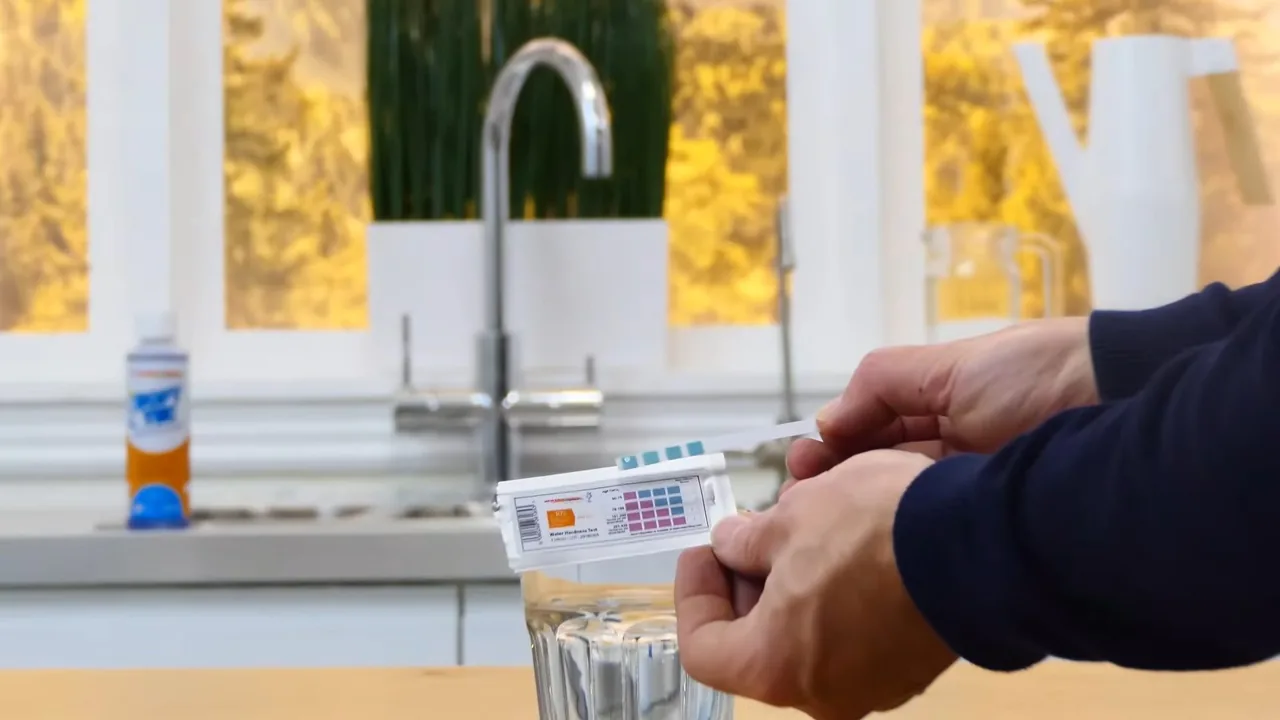
Hard water signs and how to test
Hard water leaves signs you can see. White crust on faucets and showerheads, a film on glass shower doors, cloudy dishes from the dishwasher, stiff laundry and a water heater that rumbles are the common ones. A test strip or a handheld meter from a hardware store gives a rough number, and a plumber's test gives a better one. Ask for the result in grains per gallon and compare it with the City's range.
Whole-house filtration and drinking-water filters under the sink
A whole-house filter sits where the line enters the home and treats every tap. A cartridge removes sediment and, with the right media, chlorine and odor. An under-sink filter treats a single faucet and is simpler to run. Matching the media to the problem matters: a sediment filter will not change taste, and a carbon filter will not soften water.
Refrigerator and ice machine filters are a separate list. A fridge with an inline filter relies on the filter being changed on schedule, and a fridge water line that leaks or a valve that fails is a plumbing repair. Ask the plumber about the shutoff valve at the supply and replace the line if it is brittle.
Water softener services: repair, valves and overflow
Water softener replacement is a last resort, since softeners fail in a few predictable ways that can be repaired. A valve that sticks can leave the unit stuck in regeneration, wasting water. A brine tank overflow comes from a blocked brine line, a failed float or a stuck valve. A salt bridge, a hard crust across the salt, stops the unit from making brine. A resin bed that has worn out stops softening altogether. A plumber diagnoses by testing hardness before and after the unit.
Maintenance splits between the owner and the plumber. The owner checks the salt level, breaks up a salt bridge with a broom handle and keeps the area clear. The plumber replaces valves, cleans the injector, checks the drain connection and tests the output. Ask how often service is needed for your model and have it recorded.
Salt, brine and regeneration
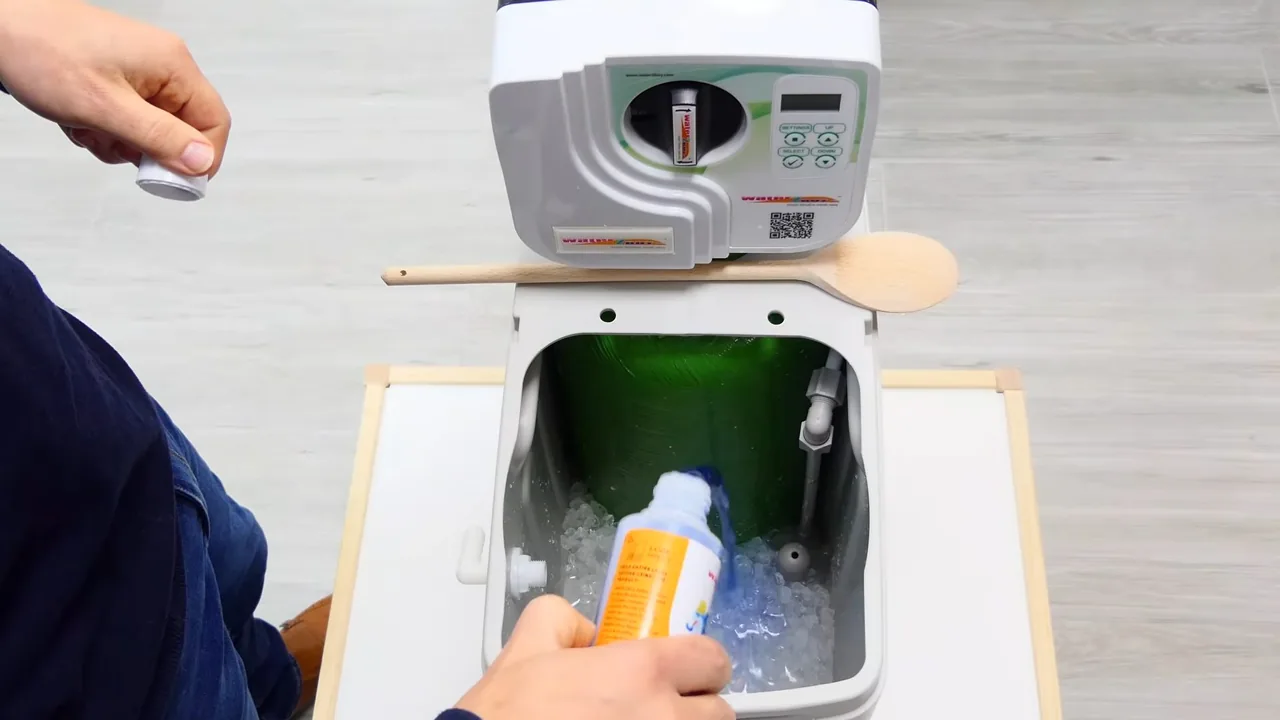
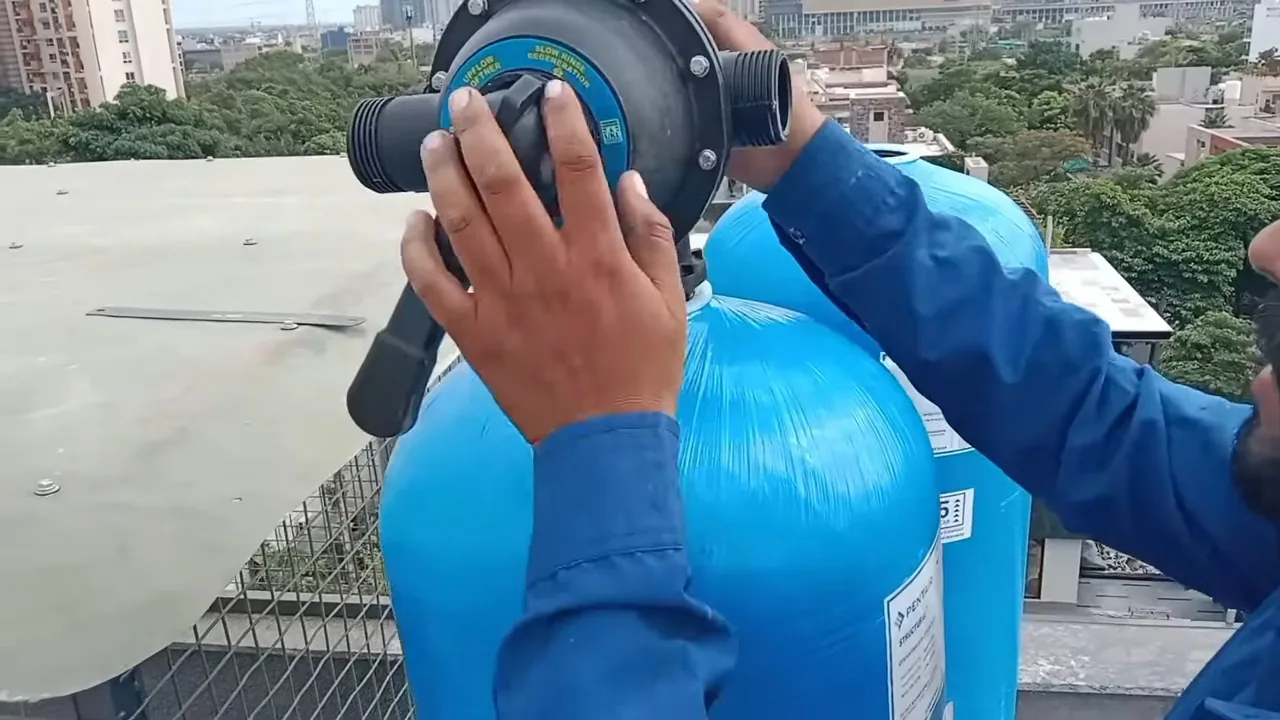
A softener regenerates by flushing the resin with brine, then rinsing it. That cycle uses salt and water and sends the used brine to a drain. It normally runs overnight on a timer or by a meter. Ask how much salt the unit uses per cycle, how often it regenerates for your household and whether it connects to a drain that meets the requirements where you live.
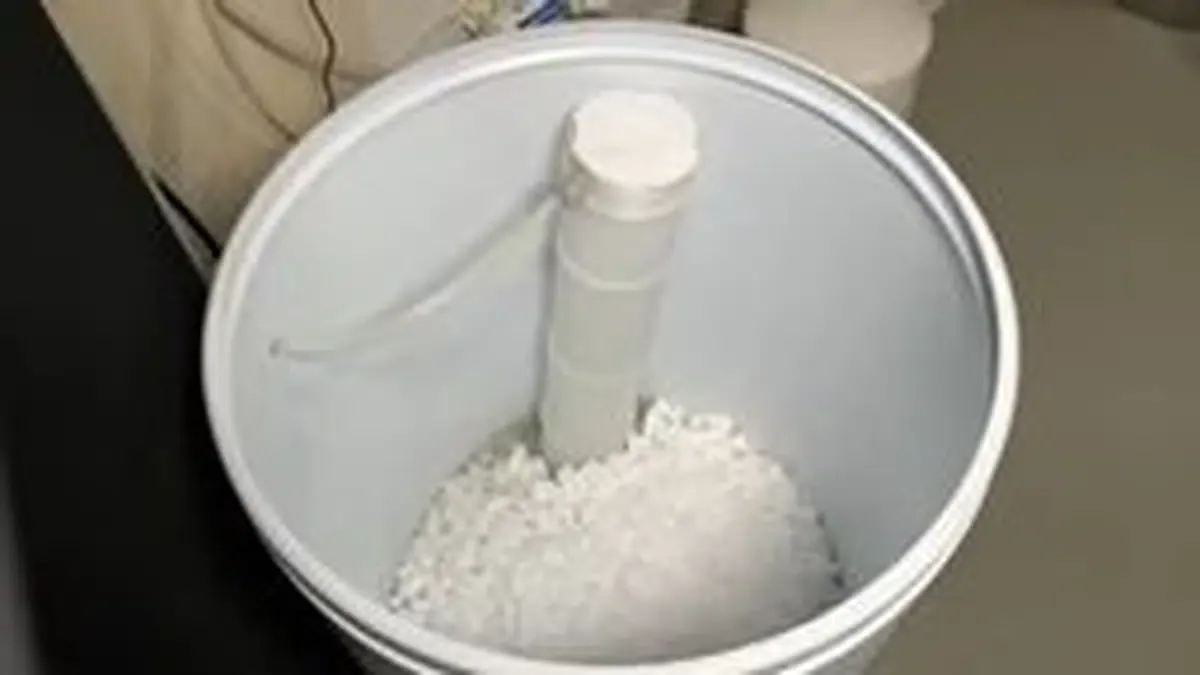
Keeping the salt and the area clear
Check the salt level monthly and top it up before the tank runs low. Use the salt type the maker specifies, and break up any crust that forms across the top. Keep the area around the unit clear of boxes, since the plumber needs access to the valve, and wipe away any salt spills, which can corrode metal on the floor. A note on the lid with the install date and the last service date helps the next visit.
Water softener installation: drain, bypass and where it goes
A softener installs on the main line where the water enters the house, after the point where an outdoor spigot branches off, since irrigation and hose bibs do not need softened water. It needs a bypass so the unit can be isolated, a drain for the regeneration water and an outlet for the control head. The plumber also needs room for the brine tank and access for salt.
Ask where the unit will sit, how its drain connects to the house drain and whether the connection has an air gap to prevent drain water from being siphoned back. Ask about the bypass, and ask for the water heater to be considered: softened water reaches it, which changes how scale builds inside the tank. See water heater maintenance in hard water for how scale builds up inside tanks.
Also handled: reverse osmosis system installation at the kitchen sink, ice machine and refrigerator filter lines, and replacing a failed softener valve.
Water softener and filtration questions answered
What is water treatment or conditioning?
It is any treatment that changes the water as it enters the home: a softener for hardness, a filter for particles or chlorine, reverse osmosis for drinking water. The choice follows the problem. A plumber starts with a water test and with what you notice on fixtures.
My fridge water line valve leaked and the softener overflowed. Are they related?
Not necessarily. A refrigerator valve leaks from age or a failed fitting, and a softener overflows from a blocked brine line or a stuck valve. Both are repairs, and a plumber can check them in the same visit. Photograph the water level before cleanup.
Can a softener valve be replaced or reinstalled?
Yes. A failed control valve can be replaced without replacing the tank, and a unit can be moved with new connectors and a bypass. Ask for the hardness test to be repeated afterward.
What are the signs of hard water, and how do I test it?
Crust on faucets, film on glass, cloudy dishes, stiff laundry and a noisy water heater. A test strip gives a rough result and a plumber's meter a better one. Compare the number in grains per gallon with Phoenix's 2025 range of 10 to 17.6.
Hard water wearing on your plumbing? Call the dispatch line.
Say what you see on fixtures and appliances and whether you already have a softener or filter. A plumber serving your area is routed to the address, and license details are available on request before work begins.
Call (480) 806-2944