AP.
Leak detection · Ahwatukee, AZ
Water Leaks | in Ahwatukee, AZEmergency help to find the source and stop it
In Ahwatukee, a leak on your side of the line is usually yours to fix: the City of Phoenix tells owners that the water and sewer lines crossing their own lot, out to the City mains, are theirs to look after. Finding where the water goes comes first, before anyone digs or opens a wall.
Call (480) 806-2944 ›
Is it a leak at all? Start with the meter, and know what it cannot tell you
Check for visible leaks first: look under sinks, around the water heater and at toilet bases for drips or dampness. The common signs of a leak are a water bill that rises with no change in use, the sound of running water when nothing is on, damp or stained walls and ceilings, a musty smell, warped flooring and weak pressure.
Humidity hides leaks because moisture spreads through drywall and insulation, so the stain can sit well away from the source. Several of these signs can also come from a running toilet or a stuck irrigation valve, so confirm the leak before paying for location work.
The meter check needs only the meter lid and about an hour of quiet. A bill that jumped with no change in your habits is reason enough to run it.
- Turn off every tap and every appliance that uses water, including the ice maker and any softener on a timer.
- Find the water meter, usually in a ground-level box near the street or property line, and lift the lid.
- Look at the small leak indicator that many meters have, often a triangle or dial. If it moves while everything is off, water is going somewhere.
- Write down the register reading, wait an hour without using water, and read it again. A changed number confirms a leak.
- Close the main shutoff valve at the house and check the indicator once more. If it stops, the leak is inside the house. If it keeps turning, the leak is out on the service line, on your side of the meter.
The meter says that water is leaving, not where it goes. It cannot separate a slow toilet flapper from a pinhole in a pipe, and a leak that opens only under heat or pressure can slip past a quiet-hour test. A steady meter with a high bill points to use, not a leak.
Water leak detection services in Ahwatukee: wall, slab or yard line?
Where water shows up is rarely where it starts. A ceiling stain can trace back to a supply line two rooms away, and a warm patch of floor can sit over a hot-water pipe. A plumber narrows the source in stages. Common leak locations are under sinks, behind toilets, at the water heater, in the wall behind a shower and along the line from the meter to the house. The table shows what each symptom usually points to and what gets checked.
| What you notice | Likely source | What the plumber checks |
|---|---|---|
| Meter keeps turning with everything off, nothing wet indoors | The owner's service line out in the yard | Isolates the line at the main valve, then listens along it and pressure-tests it. |
| Damp drywall, a stain or bubbling paint on a wall | A supply or drain pipe inside the wall, or a fixture on the other side | Maps the wet area with a moisture meter and thermal camera, then opens the wall from the least damaging side. |
| Ceiling stain under a bathroom or attic | A shower pan, a supply line, or an air-conditioner condensate drain | Tests the plumbing first. A condensate drain belongs to an HVAC company, and the plumber says so. |
| A warm floor spot or the sound of running water at night | A hot-water line under the concrete | Electronic and acoustic location; see a leak under the slab. |
| Hissing, banging or running noises near the water heater, or pressure that swings | A fitting, valve or the heater itself | Visual check of the connections, then a repair path from water heater problems. |
Advanced leak detection technology for a residential plumbing system covers several methods that suit different leaks. Acoustic gear and sonar-style ground microphones listen for water escaping a pressurized pipe. Infrared and thermal imaging show the temperature difference of a wet or hot line, and leak locators trace a pipe so the listening is done in the right place.
A pressure or hydrostatic test closes off a section of pipe and watches whether the gauge holds, and helium or tracer gas covers the hard cases. Some homes also carry smart monitors that close a valve when flow looks wrong. No single method is a verdict, so a good location report uses two.
Not sure which row fits? Tell the dispatcher what you see.
Call the dispatch line: (480) 806-2944Who owns the leaking line: you, the City or your HOA?
Nothing on that page marks exactly where the owner's line ends and the City's begins, so do not assume the boundary sits at the meter. Ask the plumber to describe the leak against a fixed reference, such as the meter box, the house wall or a cleanout, and put that in writing. If the leak turns out to be on the City side, that note is what you take to the City.
Yard-line repairs mean digging, and digging has a rule. Arizona 811 asks for a call at least two full working days before excavation so buried utilities can be marked, with hand tools only within 24 inches of the marked lines. Do not dig yourself, and confirm the plumber files the ticket and leaves the two working days. Water line work is covered in more detail under main and yard line repair.
Water leak repair: what to ask for and what to have documented
A fixed leak and a replaced pipe are different jobs under City of Phoenix rules. Stopping a leak needs no permit, while replacing concealed defective pipe is new work that needs a permit and an inspection. Ask the plumber which kind of job yours is, and who pulls the permit if it is the second.
Precise leak location is what keeps the opening small, so the work starts there. Before work starts, ask for these on paper:
- Leak location documentation: where the leak is, described against a fixed point such as the meter, a wall or a fixture.
- How it was found, and which method confirmed the location.
- Whether the repair is a patch or a replaced section, and whether a permit applies.
- Photos of the failed pipe before it is covered again, and a leak history for the house: earlier repairs and when they happened.
- Whether the rest of that pipe run shows the same wear.
Hidden and underground leaks
Hidden leaks leave a short list of clues: a meter that creeps, pressure that sags with no explanation, a stretch of lawn or planter that stays soggy, or a patch of wall that smells musty. Water can run behind a wall or under a floor for weeks before a stain appears. When the clues add up, the work is to locate the leak precisely so only a small section of wall or yard is opened.
Fixture leaks: toilet, faucet and shower
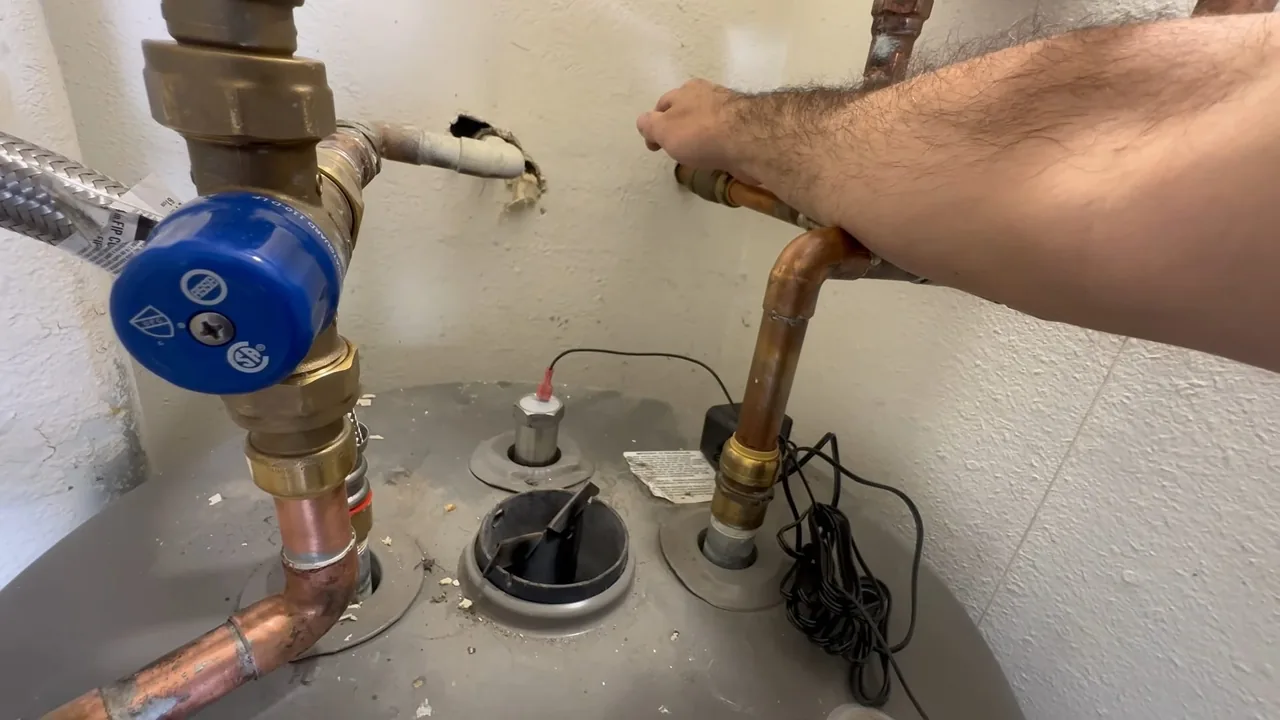
Fixture leaks are the quickest to find and the easiest to misread. For a toilet, a few drops of food coloring in the tank show a leaking flapper if the color reaches the bowl without a flush. A leaky faucet usually means a worn cartridge or seat, and a toilet leaking around the base may be a bad wax seal, and a shower that leaks into the floor below may be a pan, a valve or a drain connection.
Each has its own test, and the supply valve under the fixture stops the water while you wait.
Toilet and faucet repairs have their own page: toilet and faucet leaks.
Plumbing inspection and pipe condition checks
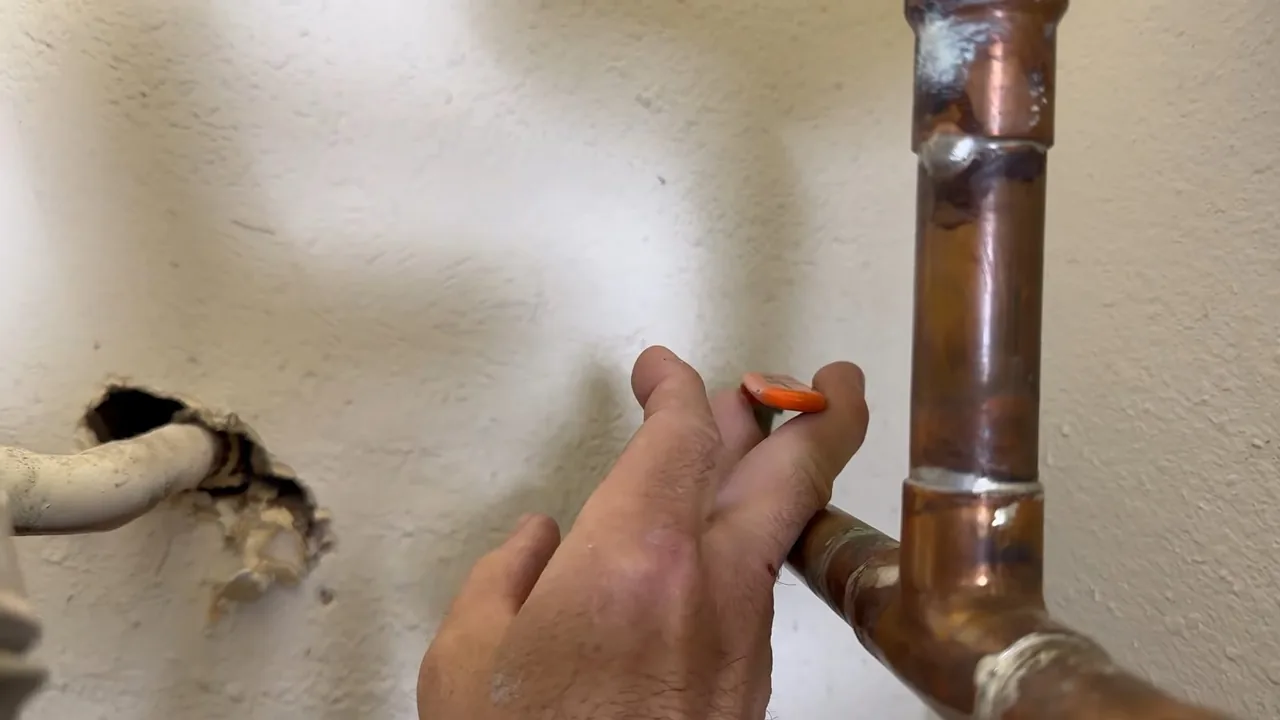
A leak inspection looks past the leak. It covers the supply pipe material, shutoff valves that no longer close fully, fittings with green or white crust, and the water pressure at a hose bib. Plumbing maintenance and inspections of this kind, done once a year, catch a worn shutoff valve before it fails.
Gray pipe stamped Qest or PB near the water heater or main is polybutylene, which Arizona sources describe as widely used and known to leak, so it deserves a repipe assessment. If repeated failures keep showing up, read about pinhole leaks and failing pipe.
Shut off and call now, or wait for daytime?
Call now when water will not stop, a ceiling has started to sag, or the leak is near the electrical panel. Keep people out of any room where saturated drywall hangs overhead, because wet board can fall without warning. Close the main shutoff valve first if you can reach it safely. After-hours calls are handled through the emergency plumber line on the homepage.
Waiting for daytime is reasonable when a drip is slow, a damp spot has not grown over a day, or the fixture has its own shutoff valve that stops the water. Take photos, mark the edge of a stain with a pencil, and call when the office hours of your choice arrive. If the leak has already soaked flooring or drywall, damage cleanup is a separate step covered under water damage after a leak.
Small leaks do damage when they are ignored. Constant moisture swells wood, rusts fittings and feeds mold in drywall, so structural damage from prolonged leaks starts quietly. Catching a leak early and handling small leaks before they spread keeps the repair small, and a major water leak such as a burst supply line is the case where minutes matter.
Also handled on leak calls: leaks under the house in a crawlspace or basement, pressure and hydrostatic testing of supply lines, and checking whether sprinkler or other outdoor irrigation water is coming from the house supply. The irrigation system itself belongs to an irrigation specialist.
Leak questions answered
How do I find a suspected leak behind a garage wall?
Start with the meter check, then look at the base of the wall for staining, swollen baseboard or a musty smell. A garage wall often carries the water heater supply, a washer box or a hose bib line. Take photos, note whether the stain grows over a day, and ask the plumber to scan the wall with a moisture meter or thermal camera before any drywall is cut.
Why is my tiled shower leaking onto the floor?
The usual sources are failed grout or caulk at the base, a cracked pan under the tile, or a valve or drain connection behind the wall. A flood test separates them: plug the drain, fill the pan and watch whether the level drops, then test the valve on its own. The result decides whether the fix is cosmetic or means taking the tile out.
My refrigerator water line is leaking across the kitchen floor. What comes first?
Close the small valve behind or under the refrigerator. If you cannot reach it, close the main shutoff valve. If water has reached the outlet behind the unit, do not touch the plug and switch off the breaker only from dry ground. The plumber replaces the failed line and valve, and the flooring needs drying afterward.
How is a pipe leak repaired once it is found?
It depends on the material and the access. An accessible copper pipe may take a coupling, a corroded section is cut out and replaced, and a leak under concrete may be rerouted overhead. Stopping a leak needs no City of Phoenix permit, but replacing concealed defective pipe is new work with a permit and inspection.
Think you have a leak? Call before the damage spreads.
Describe the symptom and the street address. The dispatcher routes your call to a plumber serving your area, and license details are available on request before work begins.
Call (480) 806-2944