AP.
Commercial plumbing · Ahwatukee, AZ
Commercial Plumbing | in Ahwatukee, AZWhat a commercial plumber needs from you, and what to ask back
A restaurant drain backs up before the dinner rush, a tenant reports a leak in a rental suite, or the water heater in a small office quits on a Monday. Business plumbing differs from a house in who owns the pipe, which permits apply and how records are kept. This page covers those decisions for owners, managers and tenants.
Call (480) 806-2944 ›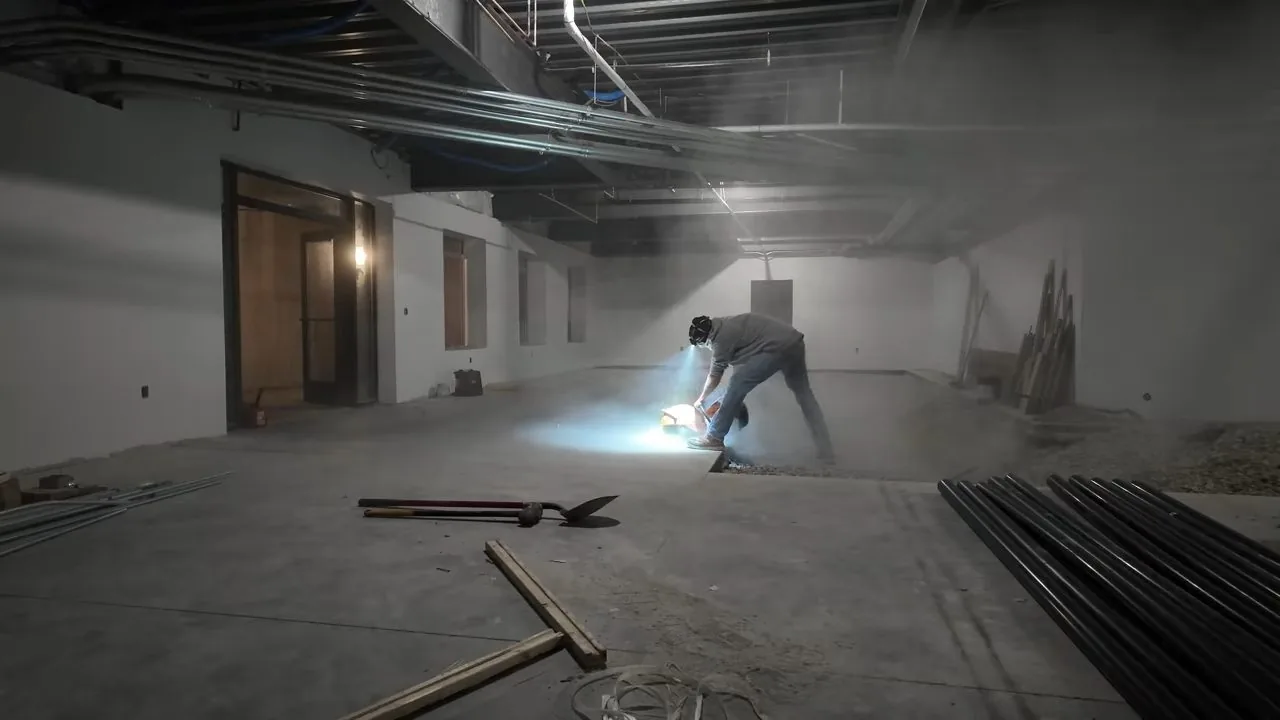
Repair or tenant improvement: quick permit or plan review?
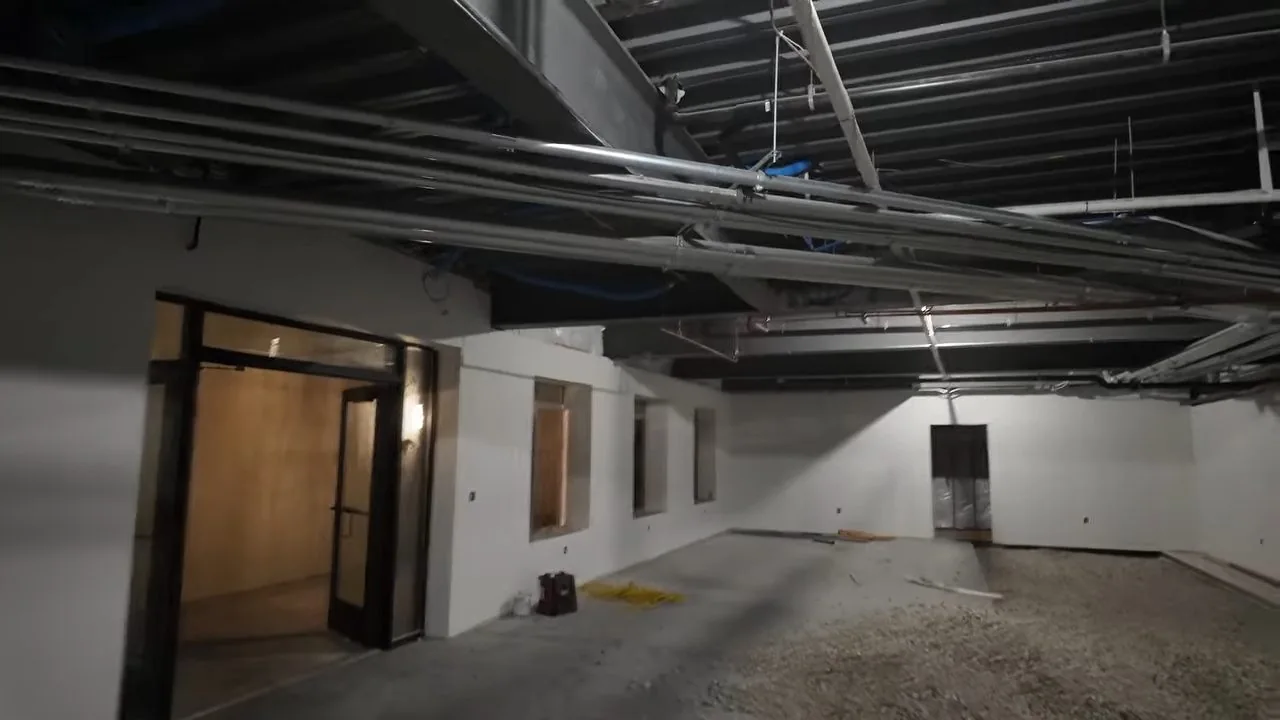
A repair and a tenant improvement are treated differently, and commercial plumbing installation for a build-out always follows the second path. The City's commercial permit page says a commercial building permit applies to multifamily projects of three or more units, condominiums and apartments, and to non-residential new construction, remodels, additions, tenant improvements and changes of use. A remodel that moves restrooms or adds a kitchen sink is the second kind of job.
| Your project | Likely route | What to ask |
|---|---|---|
| Replace a commercial water heater in the same place | Quick online permit, with a licensed contractor | Who verifies that the gas, venting and electrical capacity can handle the new unit? |
| Minor repipe or a gas pipe repair | Quick online permit | Is the work minor under the City's definition, and who files? |
| Tenant improvement, remodel or change of use | Commercial plan review | How long does review take, and who submits the drawings? |
| Multifamily building of three or more units | Commercial permit rules apply | Which part is common area, and which part is a unit? |
Landlord or tenant: who owns the line, and who calls?
The lease decides first. A tenant usually reports a problem and the landlord or property manager authorizes the repair, but leases differ on who pays for what, especially for fixtures inside a suite and for lines that serve several suites. Read the plumbing clause before calling, and ask the manager if it is unclear. For a leak that is spreading, shut off the water at the nearest valve and call the manager and the dispatch line together.
| Situation | Who usually calls | Note |
|---|---|---|
| A fixture or drain inside a leased suite | The tenant reports; the lease says who pays | Ask the manager before authorizing work. |
| A shared riser, main or roof drain | The landlord or property manager | Tenants should report, not repair. |
| The private line out to the City mains | The property owner | Phoenix leaves the private line to the owner, up to the City main, though it says responsibility may vary. |
| A condominium or association building | The HOA or association manager | Ask which pipes are common property. |
When you call, say whether you are the owner, manager or tenant. The plumber then knows who must approve the work and who receives the invoice.
Restaurants and food service: grease interceptors, pumping and records
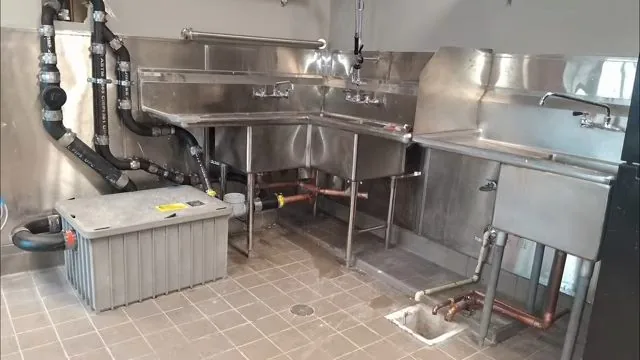
Phoenix requires every food service establishment that prepares food on site to have a grease interceptor. The kind of interceptor sets the pumping schedule, and the rules are specific enough that a kitchen manager should know them.
Replacing an interceptor needs plan review, and only like-for-like hydromechanical units can be permitted over the counter. A grease trap that is overdue shows as slow floor drains, odors and a backup at the lowest fixture. Grease also coats the line beyond the trap, so recurring backups after pumping may need commercial hydro jetting, described under drain cleaning and jetting.
Grease trap and interceptor: what to track
- Which type of interceptor you have: hydromechanical or gravity.
- How many fixtures drain to it, and whether a disposer or dishwasher is among them.
- The date of each pumping and the name of the licensed pumper.
- Where the records are kept, since they must be on site for 3 years.
- Any overflow, odor or slow drain between pumping dates.
Other businesses that need pretreatment
Restaurants are not the only trade with a pretreatment rule. The City's guidance names interceptors or other pretreatment devices for laundries, vehicle repair shops, car washes and dental offices connected to the City sanitary sewer. If your business is one of these, ask the plumber about pretreatment before a drain job, because a clog may point to a device that is full or missing.
Multifamily, apartment, light industrial and cold-storage buildings add their own questions, and cold storage plumbing adds drain and condensate lines that must not drip onto stored goods: shared risers, large water heaters, floor drains and long horizontal runs. A commercial inspection, with camera and pressure checks, is a sensible step before buying or leasing a building. Leak detection in a large building follows the same method as in a house, a meter or pressure check first, then location, which is explained under finding leaks in a building.
Pipe, slab and sewer failures in a commercial property follow the same repair paths as residential ones. Commercial water treatment, meaning a commercial water softener, a commercial reverse osmosis system or office water filtration, and an ice machine filtration service, is covered under softener and filtration.
What to have ready when you call about a business
- The business name, street address and suite number.
- Whether you own, manage or lease, and who must approve the work.
- What failed, where, and whether water or sewage is on the floor.
- Whether the space is a restaurant, laundry, shop or office, and any grease or pretreatment device it has.
- Pumping, service or permit records if you have them.
Maintenance plan or call-out: what to ask for
A maintenance contract schedules visits before a failure, a call-out responds after one. Neither is better for every business. A restaurant with a grease trap benefits from scheduled pumping and drain jetting. A small office with a few fixtures may do better with a call-out arrangement and a yearly check of its water heater and shutoff valves.
Ask what the contract includes, what is billed separately, and how records are kept. Do not expect any promise of an arrival time in advance: response depends on demand and availability for your address is confirmed on the call. Ask for the visit schedule in writing and for the report after each visit.
Want to talk through a maintenance schedule? Call the dispatch line.
Call the dispatch line: (480) 806-2944
Is the plumber licensed for commercial work?
Arizona's Registrar of Contractors lets anyone search by license number, name, classification and city, and filter by Commercial, Residential or Dual license type. Ask the dispatcher for the plumber's license details before work begins, then confirm that the license type covers commercial work before you approve it. A residential-only license is not the right match for a commercial job.
Commercial plumbing questions answered
What is the difference between residential and commercial plumbing?
Commercial plumbing covers businesses, offices and apartment buildings with three or more units. It involves larger water heaters, grease interceptors, floor drains, shared risers and different permit rules, and it needs a license that covers commercial work.
How often must a restaurant grease interceptor be pumped?
In Phoenix, hydromechanical units must be pumped at least every 30 days and never go past 90 days, and gravity interceptors at least every 3 months. A licensed pumper does the cleaning, and records stay on site for 3 years.
Is a permit needed to replace a commercial water heater?
A licensed contractor can permit a like-for-like replacement online without plan review under the City's minor-work route, and the contractor must verify that the building systems can handle the change. Ask who files and who verifies.
Who is responsible for plumbing in a space I lease?
The lease decides. Tenants usually report and landlords authorize repairs, but leases differ on fixtures inside a suite. Ask the property manager before approving work.
How do I check a plumber's license for commercial work?
Search the Arizona Registrar of Contractors site by name, number, classification or city and look at the license type: Commercial, Residential or Dual. The dispatch line offers license details on request before work begins.
Also handled: restaurant and commercial kitchen plumbing, commercial water heaters, leak detection, drain cleaning, pipe, slab and sewer repair, and after-hours calls through the emergency plumber line.
Business plumbing problem? Call the dispatch line.
Say whether you own, manage or lease the space, and what is failing. A plumber serving your area is routed to the address, and license details are available on request before work begins.
Call (480) 806-2944