AP.
Slab leak detection · Ahwatukee, AZ
Slab Leak | in Ahwatukee, AZEmergency help when water is running under the floor
A slab leak is a leak in a water line that runs under or through a concrete foundation. If a floor spot is warm, you hear water at night or the meter turns with every tap off, this page explains how the leak is confirmed, located and repaired, and what to ask before any concrete is cut.
Call (480) 806-2944 ›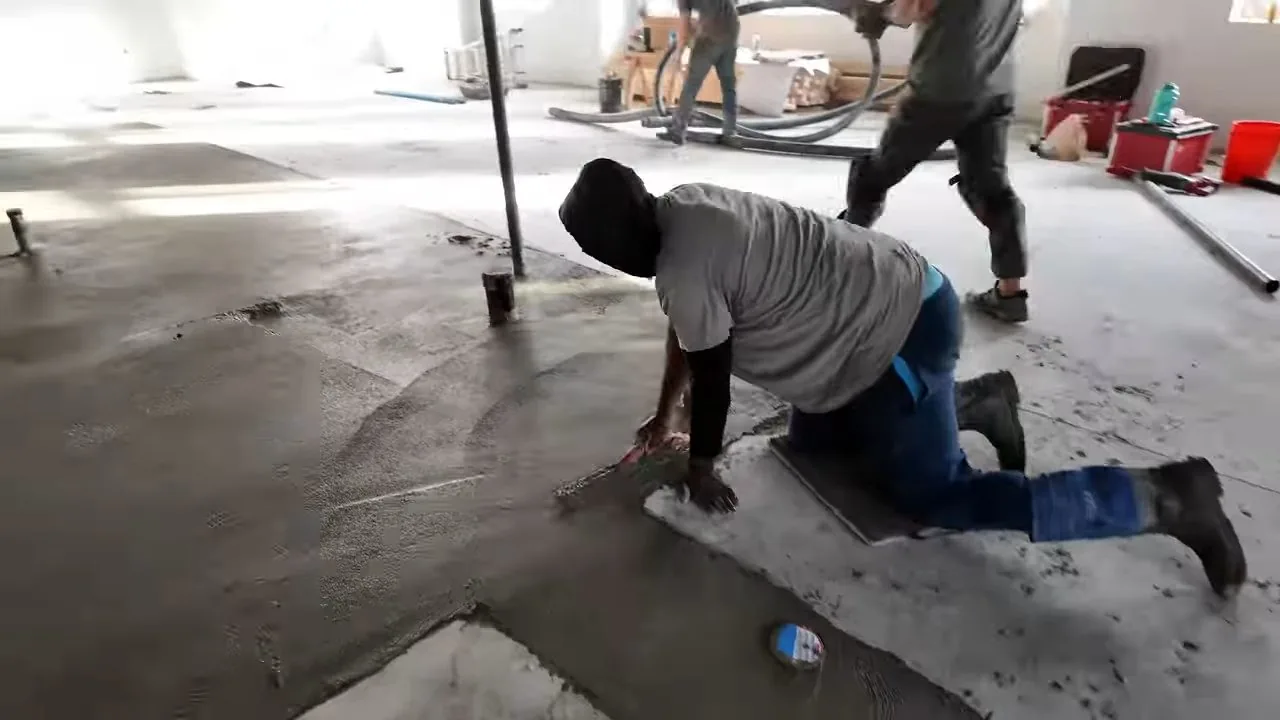
Warm floor spot or running water at night: is it a slab leak?
An under-slab leak announces itself in a handful of ways. A hot-water line under concrete warms the floor above it, so a spot that stays warm on tile, laminate or carpet is the classic sign. Others are the sound of water running when nothing is on, a meter that turns with every tap closed, a sudden drop in water pressure, a wet or discolored patch along a baseboard, and a water bill that climbs with no explanation.
- A floor spot that is warm underfoot while the heater is off or the room is cool.
- A faint hiss or trickle at night, best heard with the house quiet and your ear near the floor.
- A water meter that keeps moving after you close every fixture.
- Damp carpet, lifted flooring or a musty smell along one wall.
- A hot-water tap that takes longer to warm up, because heat is escaping under the slab.
None of these proves a slab leak by itself. A leaking water heater, a failed fixture or a line in a wall can produce the same signs, so the first job is to confirm that the water is leaving the pipes and to rule out simpler explanations. The meter check on the leak detection page is the first step, and the shutoff test narrows the leak to the house side.
Hidden slab leak detection in Ahwatukee: what location equipment shows and what it cannot
Once the leak is confirmed, location is a matter of narrowing a long pipe run to a patch of concrete a few feet wide. A plumber normally isolates the hot and cold lines one at a time with pressure gauges to learn which line is losing water. Electronic listening gear then follows the sound of escaping water along the floor, and a thermal camera picks out warm or cool patches on the surface. Tracer gas is used when sound is faint.
These tools find a likely spot, not a certainty. Sound travels through concrete and along the pipe, so a loud point on the floor can be several feet from the break. Good practice is to mark the location with two independent methods before anyone cuts, and to ask for the marked floor plan or photographs afterward. A pressure test shows that a line is losing pressure but cannot say where. The locator says where but cannot say how bad the break is.
Slab leak repair in Ahwatukee: spot repair, reroute or repipe
How to fix a leaking slab comes down to three options, and the right one depends on how many leaks the system has had, what the pipe is made of and how easy the floor is to open. The table sets them side by side.
| Method | What happens | Best suited to |
|---|---|---|
| Spot repair | Break through the slab at the marked spot, cut out the failed section and join in new pipe. | A single leak in otherwise sound pipe, with the floor above easy to patch. |
| Reroute | Abandon the leaking line under the slab and run new pipe through walls or the attic to the same fixtures. | A line that has leaked more than once, or a slab that is costly to open. |
| Repipe | Replace the supply system throughout the house, usually in walls and ceilings. | Pipe that is failing in several places, such as repeated pinhole leaks. See whole-house pipe replacement. |
| Pipe lining or epoxy | Coat the inside of the existing pipe to seal it without opening the floor. | Only where the pipe is otherwise sound and the plumber confirms the product suits it. |
Describe the floor and what you hear. The dispatcher will take it from there.
Call the dispatch line: (480) 806-2944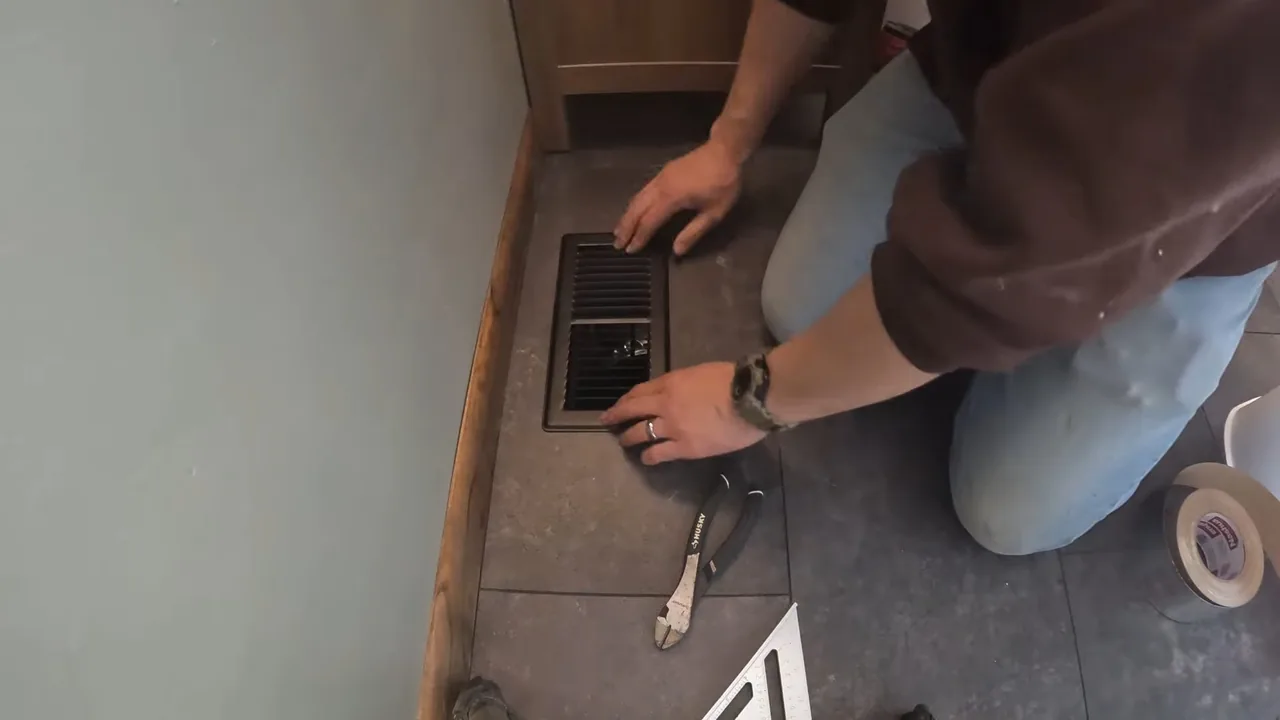
Reaching a line without opening finished rooms
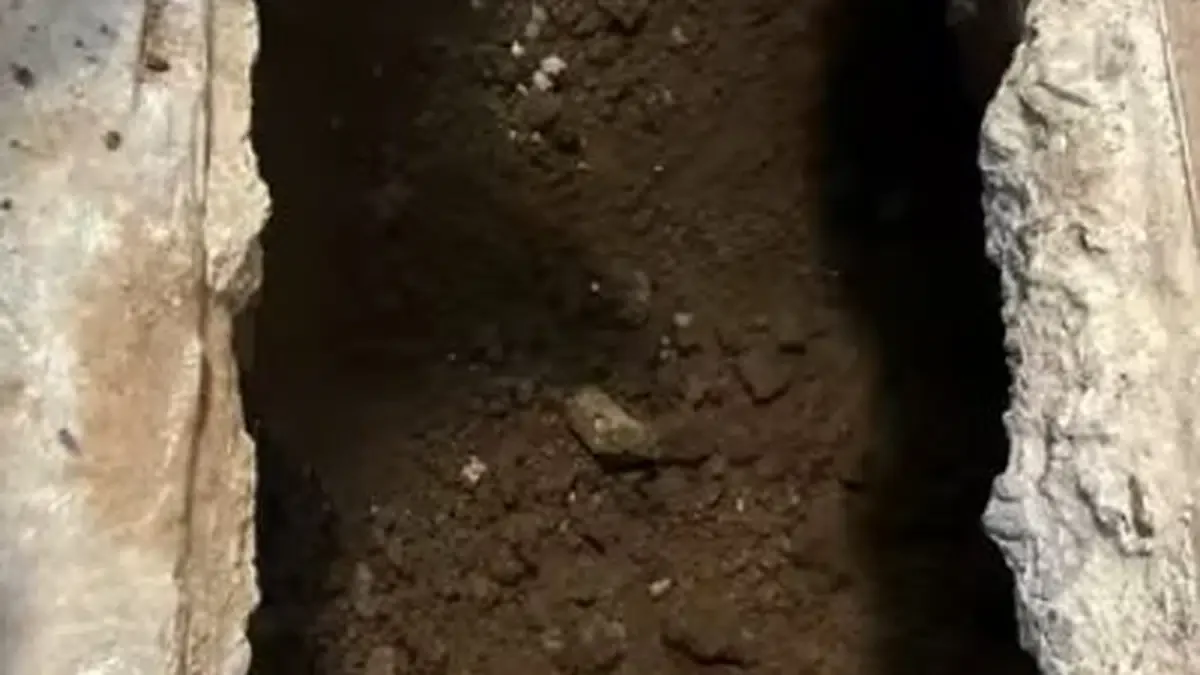
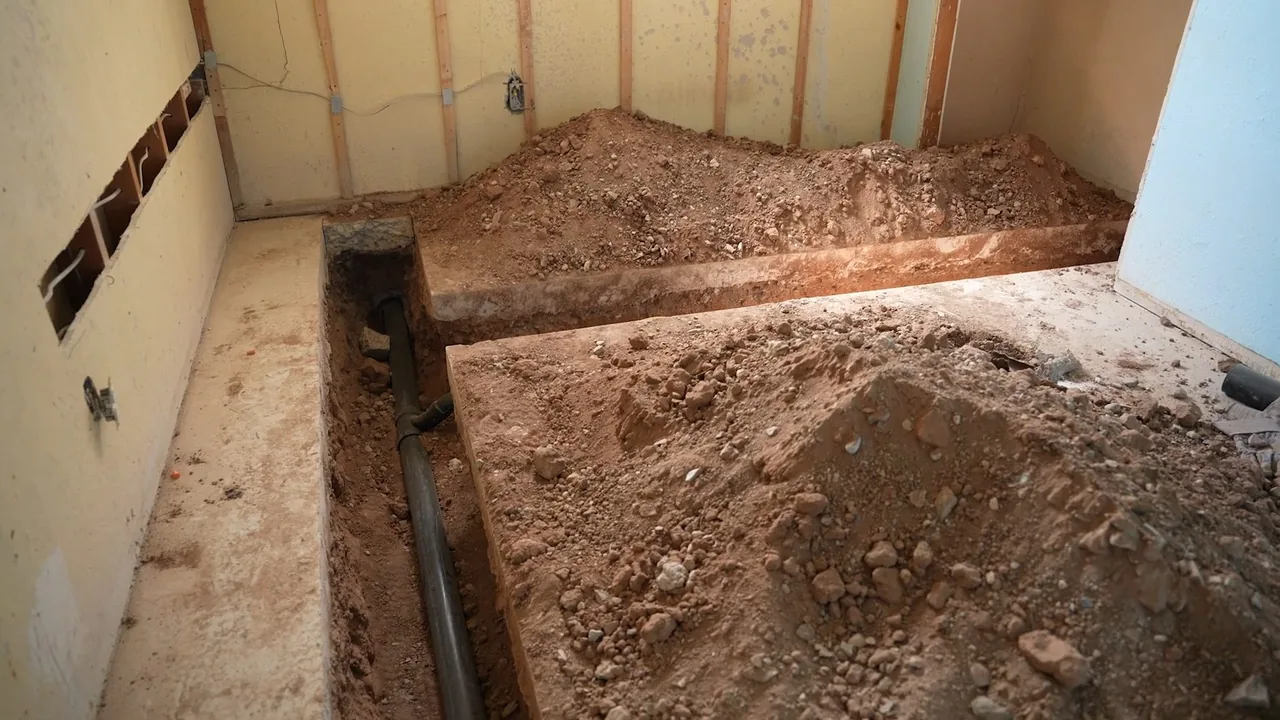
Tunneling under the slab from outside is one way to reach a failed line when the rooms above are tiled or finished, and some plumbers offer it for exactly that reason. Ask which methods are practical for your layout and why the plumber prefers one. For calls where water is already running, the 24/7 emergency plumber answers day and night.
What the marked floor should show you
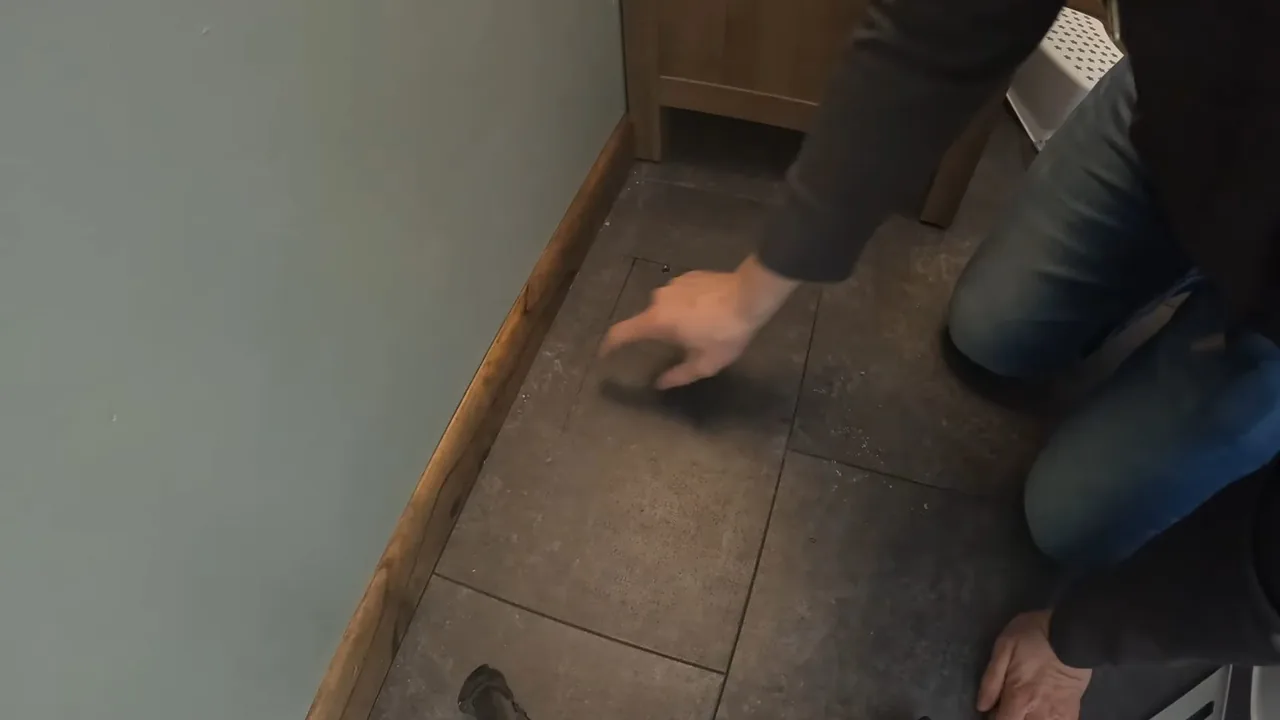
After location, the plumber should mark the floor and explain what the marks mean. Expect an outline of the spot, the direction of the pipe run and a note of which line, hot or cold, is leaking. Photograph the marks before anything is cut. Those marks are the record you may need later if the repair is questioned.
Slab leak location and the ground under the concrete
The Arizona Geological Survey describes expansive clay soils that swell when wet and shrink as they dry, and says that movement can rupture pipelines. The Survey does not map your lot, so treat this as general guidance rather than a finding about your house. Where it applies, the practical advice is to keep irrigation and drainage from soaking the ground beside the foundation, and to ask the plumber whether ground movement is a plausible factor near the failed line.
A leak that runs for a long time can also saturate the soil under the slab. Whether that has affected the foundation is a question for a structural engineer, not a plumber, and a plumber who says otherwise is stepping outside the trade. If you see new cracks in walls or flooring along with the slab leak signs, mention both when you call and ask for an engineer's opinion before repairs are finished.
Permits, paperwork and what to keep for your insurer
City of Phoenix rules treat two jobs differently: a repair that only stops the leak needs no permit, while putting in new pipe to replace a concealed defective section calls for a permit and an inspection. A slab repair that swaps out a section can involve both. Ask who pulls the permit and when the inspection happens, and tell the plumber about any open permit issues on the house.
Housing age shapes the pipe question. Census-based figures cited by the Gilbert Sun News describe 85044 as mostly 1980s to early 1990s construction, and 85045 and 85048 as mostly late 1990s to early 2000s. Those are ZIP-level numbers, so have the plumber identify the pipe actually under your floor. Slab leaks are not limited to midcentury houses, and newer homes can develop them too, so age alone settles nothing.
If the plumber finds polybutylene, a gray plastic pipe often stamped Qest or PB that Arizona sources describe as widely used and prone to leaking, the choice can shift from a spot repair to a repipe.
Insurance rules vary by policy and this page makes no promise about coverage. A written leak location report with photographs, the marked floor plan, the repair description and the date of each step is the record most claims need, so ask the plumber for those documents and ask your insurer what it requires before the floor is repaired.
Also covered on these calls: finding a slab leak after a high water bill, foundation leak inspection, and repair methods that avoid opening the floor, such as a reroute or pipe lining.
Keeping the floor clear for the plumber
Clear furniture and rugs from the area where you felt the warm spot, and tell the dispatcher which rooms the water lines likely cross. Point out where the water heater and main shutoff valve are, and keep pets out of the work area. A clear floor shortens the locating visit and cuts the chance that marks get smudged before the repair.
Slab leak questions answered
How can I confirm a slab leak at home before I call?
Turn off every tap and appliance, then read the meter, wait an hour and read it again. A changed reading means water is leaving. Shut the main valve at the house and watch the meter again; a meter that stops puts the leak on the house side. Then feel the floor for warm spots and listen along it at night. Those three checks tell the plumber where to start.
What are the symptoms of a slab leak?
The common ones are a warm spot on the floor, the sound of running water with everything off, a meter that keeps turning, lower water pressure, damp flooring or baseboards, and a higher bill. One sign alone is weak evidence. Two or three together, especially a warm floor with a moving meter, make a slab leak likely.
Does a slab leak repair need a permit in Phoenix?
No permit is needed just to stop a leak. If the work replaces a concealed defective section of pipe, City of Phoenix rules call it new work with a permit and an inspection. Ask which case yours is and who files, and mention any open permit issue before a quote.
What should I keep for my insurance company after a slab leak?
Keep the leak location report, photographs of the opened slab and failed pipe, the written description of the repair, the invoice and the dates of each visit. Coverage depends on the policy, so ask your insurer what it needs before the floor is patched.
Warm floor or running water under the house? Call now.
Tell the dispatcher what you hear or feel and where. A plumber serving your area is routed to the address, and license details are available on request before work begins.
Call (480) 806-2944