AP.
Sewer line repair · Ahwatukee, AZ
Sewer Line | in Ahwatukee, AZEmergency backups, camera inspection and new line installation
Many owners assume the City fixes anything underground, but City of Phoenix guidance puts the sewer pipe on your own lot, up to the City main, in your hands. Before you pay for a repair, find out which part of the line is yours and what a camera shows inside it.
Call (480) 806-2944 ›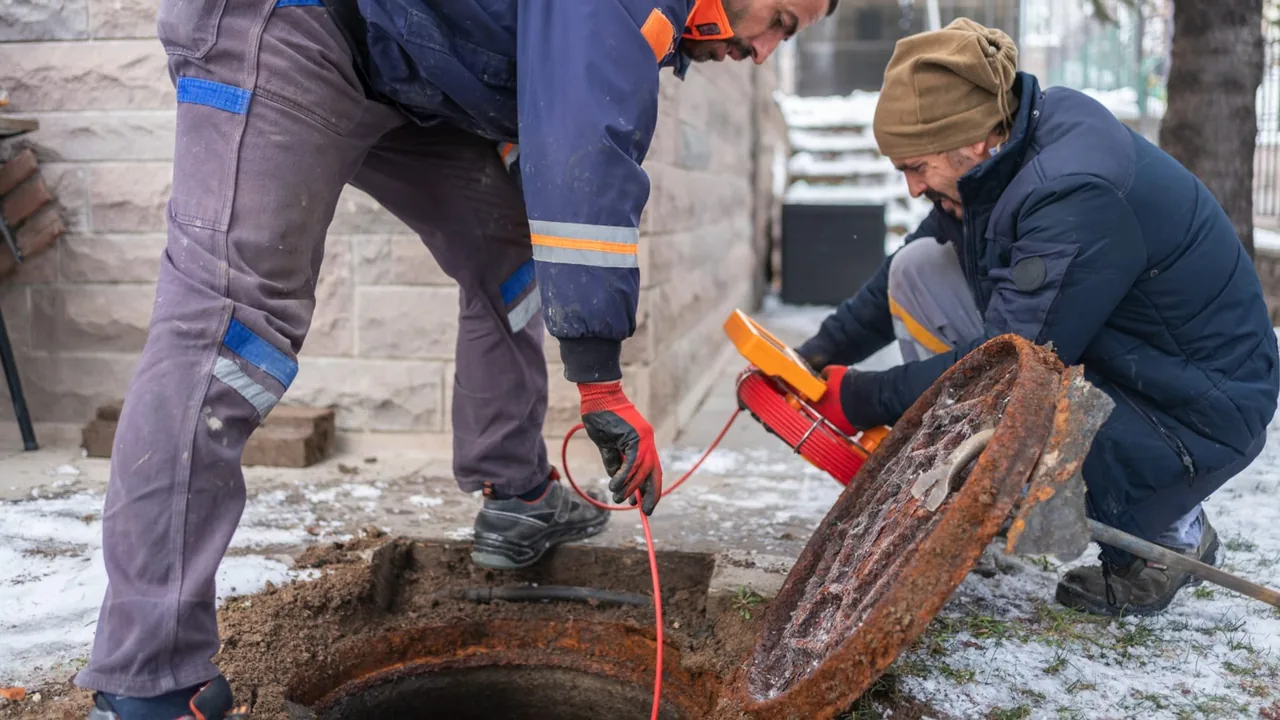
Does a sewer backup mean the line needs repair?
Not always. A backup can come from a clog that a cable clears in one visit, and it can come from a broken, sagging or root-filled section that will keep failing. The difference shows in the pattern. A mainline clog that clears and stays clear is just a clog. A line that backs up again within weeks, backs up after heavy use, or backs up at the lowest drain every time is telling you something about the pipe.
Sewage coming up in a tub, shower or floor drain is an urgent sign, and the first step is to stop running water anywhere in the house. Every flush, load of laundry or dishwasher cycle adds water to a line that has nowhere to send it. A smell with no backup at all more often comes from a trap that has dried out or a vent fault than from a failed sewer. For how a plumber separates the two, see clogged drains in the house.
After-hours backups go through the same-day emergency plumbing on the homepage.
The first hour of a sewage backup
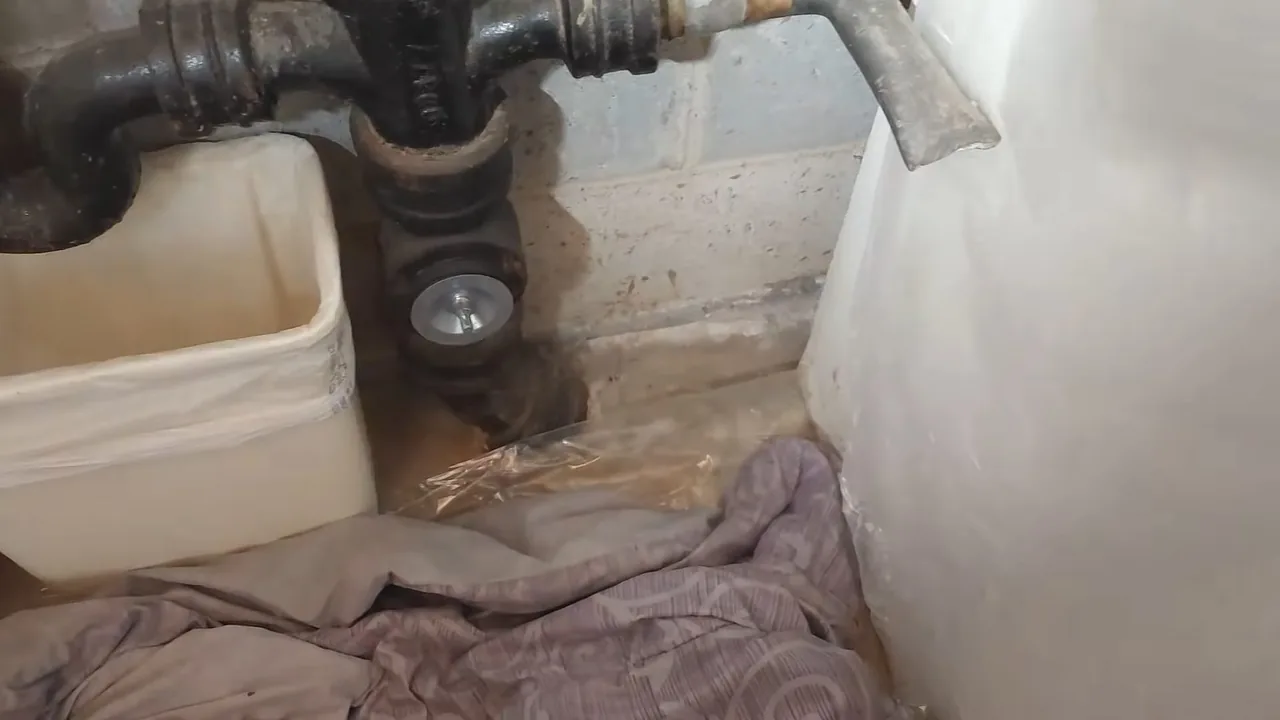
Stop every source of water at once: no flushing, no laundry, no dishwasher and no long showers. Move rugs and belongings away from any floor drain that has started to rise, and photograph the water level and the affected drains for later. Keep the cleanout cap on unless the plumber says otherwise, since opening it can release sewage into the yard or garage.
Sewer camera inspection in Ahwatukee: what the plumber should show you
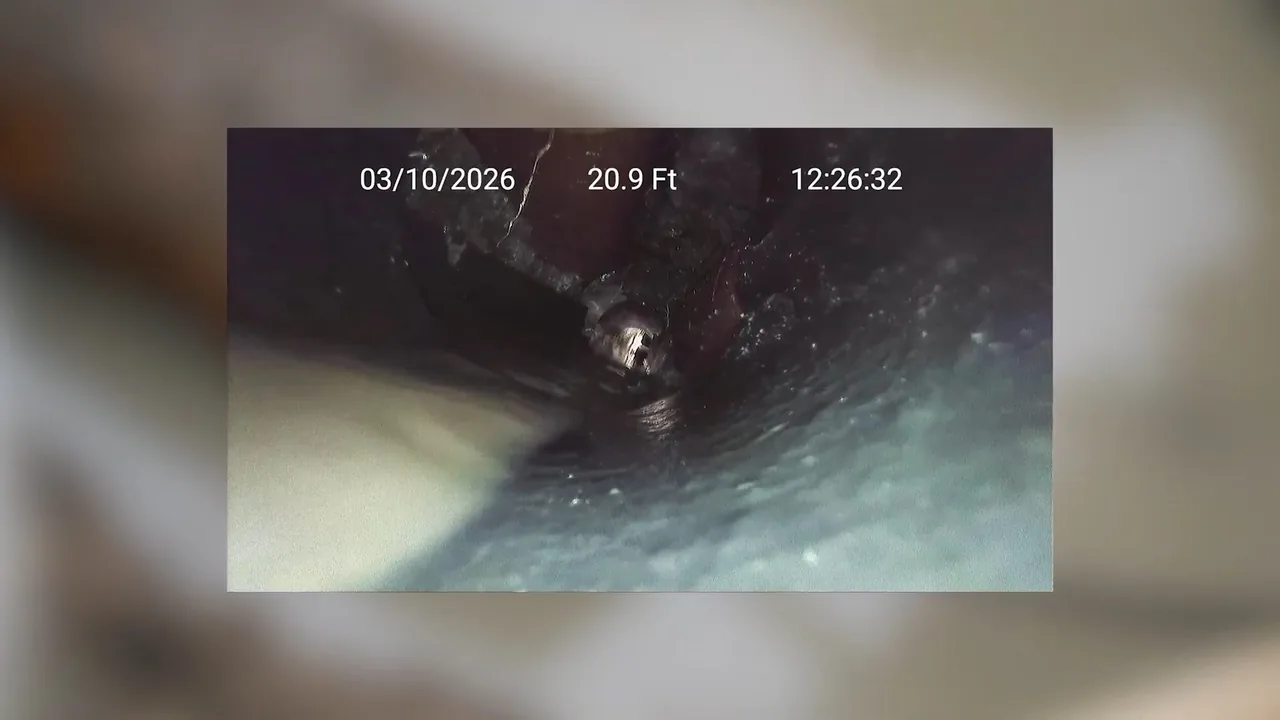
A camera inspection answers the question a cable cannot: what the pipe looks like inside, including whether a damaged section is letting water out. Sewer leak detection of this kind is done with the camera, sometimes with dye or smoke added. When a sewer system repair or a replacement of the sewer line is on the table, the footage is the evidence.
The plumber feeds a waterproof camera down a cleanout and follows the line toward the street, watching a monitor. Cracks, offset joints, sags that hold water, roots and scale all show up. Ask to watch the monitor or to receive the recording, and ask for the distance from the cleanout to each problem.
- The pipe material and size, and whether it changes along the run.
- Any sag where water pools, with an estimate of its length.
- Cracks, offset joints and roots, each with a distance from the cleanout.
- A locate of the problem on the surface, marked on the ground.
- A recording or photographs you can keep.
Wondering whether a camera visit is worth it? Ask the dispatcher.
Call the dispatch line: (480) 806-2944Who owns which part of the sewer line: owner, City or HOA?
The pipe that runs from your house to the City main is called the lateral, and the owner-versus-City question is mainly about who maintains it: the homeowner or the City. Where the owner's lateral stops and the City main starts is not spelled out on that page, so do not assume it ends at the property line.
When a camera shows a defect, ask the plumber to record how far it sits from the cleanout and from the property edge. If the defect lies in the City main or at the connection, that distance is the evidence you bring to the City.
If the defect lies in the City main or at the connection, the recorded distance is what you take to the City. Ask the plumber to give it in feet from the cleanout.
Clay, cast iron or plastic: what the camera tells you about the pipe
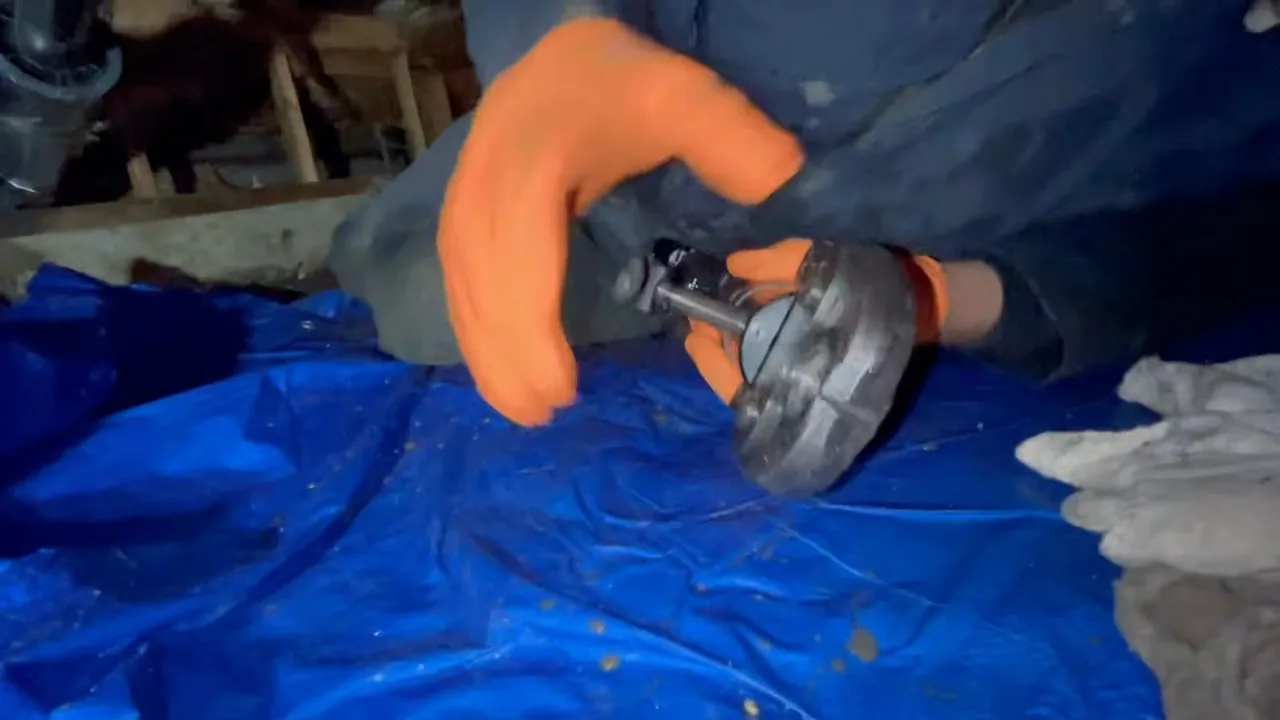
Pipe material shapes how a line fails. Older clay, cast iron and fiber pipe crack and separate in different ways than plastic, and the camera shows which kind you have. Ask the plumber to name the material and size rather than guess from the age of the house, and to say whether the material changes where the line meets the street.
Sewer line cleaning and rooter work: when roots are the cause
If the camera finds roots, cleaning is the first fix and not the last. A root-cutting cable restores flow but leaves the entry point, and roots return where a joint is open. Some owners schedule cleaning on a routine as a stopgap, which can be reasonable for a sound line with one small opening. If the roots come back quickly, the joint or the section needs repair.
A cleanout is the access point for this work, and every line should have one near the house. If yours is buried, damaged or missing, ask the plumber whether installing one is part of the repair, because it cuts the cost and mess of every later visit.
A sewer smell with no backup
A smell with every drain still running is often a dry trap in a rarely used bathroom, a loose fitting at a toilet base or a vent that has lost its connection. Pour water into the floor drain and the tub drains you do not use, check around the toilets, and see whether the smell follows one fixture. If it persists, ask the plumber to test the traps and the vent before assuming the main line is damaged.
Sewer pipe lining or replacement: what the camera decides
Once the camera has shown the damage, the choice is between repairing a spot, lining the pipe or replacing it. The table compares them. A plumber who recommends one should be able to point to the footage that supports it.
| Approach | How it is done | Where it tends to fit |
|---|---|---|
| Spot repair | Dig to the damaged section, cut it out and join in new pipe. | One defect in an otherwise sound line, close to the surface. |
| Lining (trenchless) | Pull a resin-soaked liner through the old pipe and cure it into a new pipe inside the old one. | A line with cracks or open joints but a continuous shape. A collapsed or badly sagging pipe usually does not qualify. |
| Replacement | Remove the old line and lay a new one, by trench or by pulling it through. | A pipe that has collapsed, sags over a long run or has failed in several places. |
Trenchless versus open-trench repair is mostly a question of access. Lining and pipe bursting avoid a long open trench, but they need access points, and each has limits that depend on the pipe you have. Ask what the plumber would need to dig in either case, and what happens to the landscaping and driveway.
Sewer replacement: permits, 811 and digging
Replacing a sewer line is a larger job than cleaning one. Ask the plumber whether your work needs a City of Phoenix permit, who pulls it and when any inspection happens, since the answer depends on how much pipe is replaced and where.
Digging also raises a question about what else is in the ground. Gas, electric, water and communication lines can all run near a sewer lateral, which is the reason for the marking step. A trench that opens without it can cut a service line.
Also covered on sewer calls: main sewer cleaning, sewer smell investigations and locating the line from a cleanout. Water-side line work is under water service line repair.
Sewer questions answered
Is a sewer camera inspection the same as a City inspection?
No. A camera inspection is a plumber's look inside the pipe, ordered by the owner to learn its condition. A City inspection checks new or replaced work against code once a permit has been issued. One tells you what is wrong, the other confirms that the repair was done to code.
What does main sewer cleaning involve?
The plumber opens the cleanout, feeds a cable or a jetting hose into the main and clears what blocks it, then runs water to confirm the line drains. A camera pass afterward shows whether roots, scale or a damaged section caused the blockage.
Should I get a sewer scope inspection?
It makes sense after repeated backups, when buying a house or before building near the line, because it shows damage you cannot see from the surface. A clean recording is also a useful record of the line's condition on the date it was made.
My master bath smells like sewer and the P-trap will not hold water. What is going on?
A trap that will not hold water has lost its seal, which lets sewer gas into the room. Causes include a dry trap, a leaking connection, a siphoning drain or a vent problem. Ask the plumber to test the trap and the vent, and request a camera look if the smell has other sources.
Can a sewer camera also locate where the pipe runs?
Yes. A camera with a transmitter in its head can be traced from above ground, so the plumber can mark the line and the depth of a defect on the surface before digging. Ask for the marks to be photographed.
Sewage backing up? Stop using water and call.
Tell the dispatcher which drains are affected and whether sewage is on the floor. A plumber serving your area is routed to the address, and license details are available on request before work begins.
Call (480) 806-2944