AP.
Water damage restoration · Ahwatukee, AZ
Water Damage | in Ahwatukee, AZEmergency extraction, drying and mold testing after a leak
Carpet that squishes underfoot, a ceiling stain that keeps spreading or a baseboard that is swelling means water has been somewhere it should not be. Immediate water damage assistance starts with the order of the first steps, which matters as much as speed: stop the source, remove the water, dry what can be dried and document everything. This page walks through each step and where plumbing ends.
Call (480) 581-1832 ›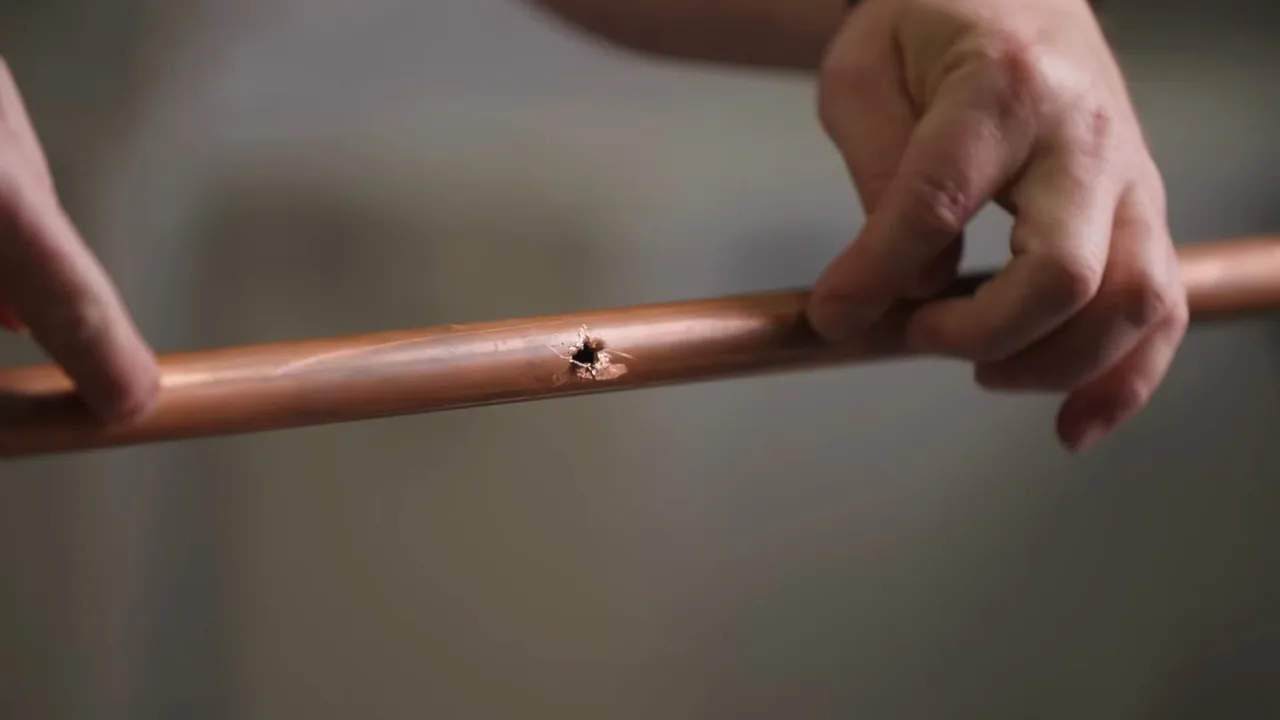
Fire, smoke and odor damage: after the fire department leaves
The water damage line takes calls about fire, smoke and odor damage as well as the water left behind by firefighting. A house after a fire has two problems at once: what the flames, heat and smoke did, and what the hoses did. Soaked drywall and insulation, a pipe that failed from heat and a supply that must stay shut off are all water problems, and they sit beside the soot and the smell.
- Do not go back in until the fire department says the home is safe.
- Call your insurance company early and ask what it wants done first and who it recommends for cleaning.
- Keep the main electrical power and water off until a professional says they are safe, and never use electrical tools while standing in water.
- If you smell gas, leave at once and call the fire department.
- Photograph the damage before anything is moved or cleaned.
FEMA's guidance adds that food exposed to heat, smoke or soot should be thrown out, and that mold may become an issue where water was used to put the fire out. The mold testing and remediation sections of this page apply there as well.
Soot, smoke odor and fire-hose water: what gets cleaned and what gets replaced
Soot and smoke odor sit on surfaces and in porous materials, and the longer they stay the harder they are to remove. The Red Cross lists a mild soap or detergent for soot on walls, furniture and floors, rinsed and dried thoroughly, and warns that stronger cleaners such as trisodium phosphate are caustic and need care. Porous finishes and fabrics are tested before any treatment.
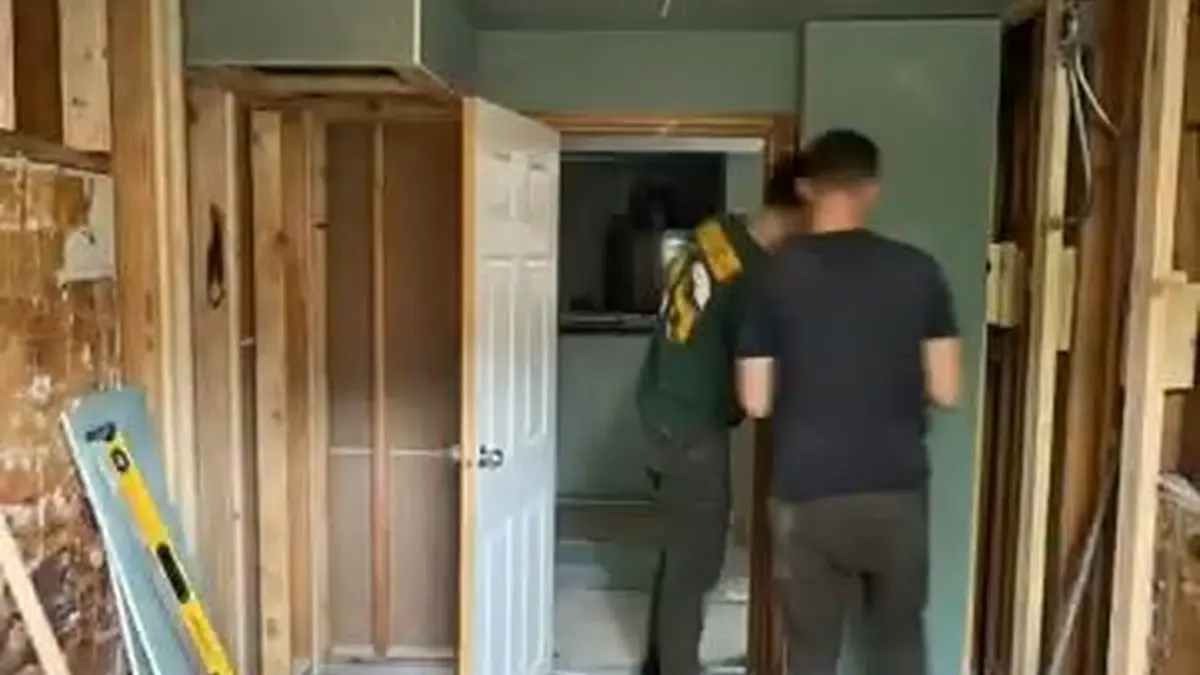
Water from fire hoses is a separate decision. The Red Cross advises asking a professional about replacing drywall and insulation that fire hoses soaked, because it cannot be dried out and keep its structural integrity or its resistance to mold. A moisture map from the assessment step shows how far the water went.
None of this promises that every item or odor can be recovered. A cigarette smoke smell in an apartment or a lingering odor after a small fire is handled the same way: find the source, clean what can be cleaned, and replace what cannot. Before repairs or rebuilding start, FEMA suggests checking with the local building department about permits.
Sewage backup cleanup: a different kind of loss
Water from a sewage backup is not clean water, and it is handled differently. Contact with it carries a health risk, and porous materials that it soaks, such as carpet pad and drywall, are usually removed rather than dried. Keep children and pets away, avoid wading through it and do not run a household vacuum or fan through it. The plumber's part is clearing the line and finding the cause. Cleanup and disinfection follow.
Who pays for the line repair depends on where the backup began. Phoenix leaves the private sewer pipe, house to City main, with the owner, so a failed private line is the owner's repair. The repair itself is covered under sewer line repair, and this page covers the cleanup.
Damage assessment and major loss inspection: the extent of the water damage
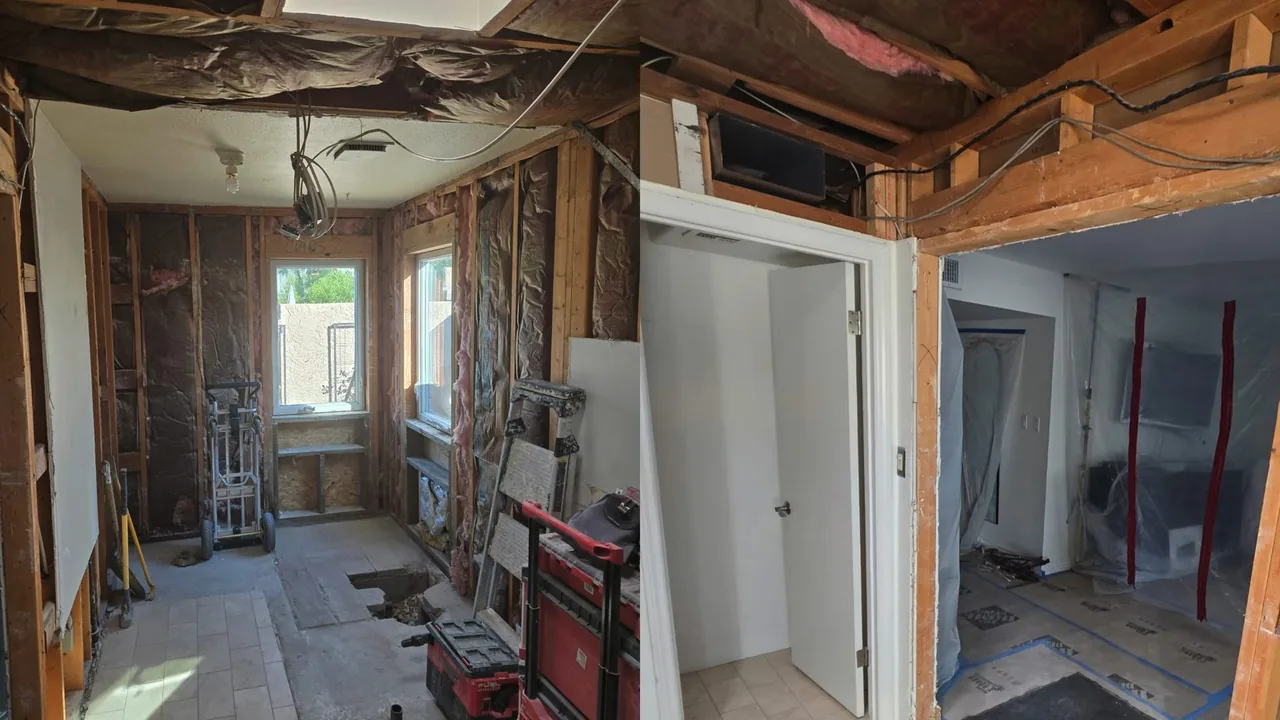
Before any equipment is set, the crew finds out how far the water went. Water damage type matters too: clean, gray and black water are handled differently. Water travels along framing, under flooring and into walls, so the visible stain is often the smallest part of the loss. A moisture meter reads surfaces, a thermal camera shows cooler wet areas and a probe checks inside walls and under cabinets. The result is a map of what is wet, which becomes the drying plan.
Assessment is also where documentation starts. For a major loss, or a vacant home where water ran for days, the record matters: dated photos, moisture readings by room, a list of affected materials and a note of when the source was stopped. Insurers set their own requirements and coverage depends on your policy, so ask yours what it needs before materials are removed.
Water extraction and removal: the first hours
Standing water comes out first. Pumps and extractors remove what can be pumped, and wet-dry vacuums handle the rest. Carpet and pad that sit in water absorb it, and removing the water quickly limits how far it spreads into the structure. Emergency water extraction after a bathroom leak, a collapsed ceiling or a flooded kitchen follows the same order: stop the source, remove the standing water, then dry.
| Material | Usually dried | Usually removed |
|---|---|---|
| Carpet | Carpet in a clean-water loss, if reached quickly | Carpet pad, and any carpet soaked by sewage |
| Drywall | Panels with surface dampness | Soaked panels, and panels touched by sewage |
| Hardwood and laminate | Sound boards that can be dried under panels or mats | Boards that have cupped badly or delaminated |
| Insulation | Rarely dried in place | Wet insulation |
| Cabinets and baseboards | Solid wood, often with ventilation | Particleboard that has swollen |
Water on the floor right now? Call the water damage line.
Call the dispatch line: (480) 581-1832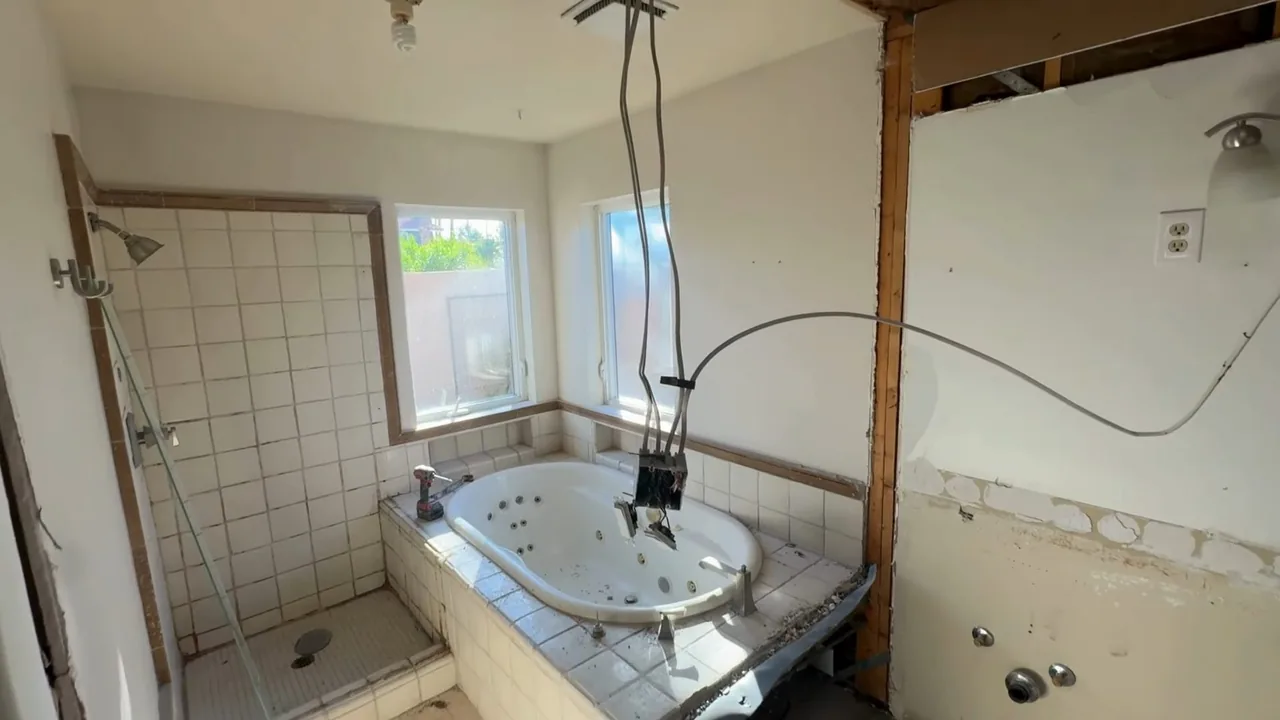
Drying equipment: air movers and dehumidifiers
Air movers push air across wet surfaces, and dehumidifiers pull moisture out of the air so the surfaces keep releasing it. The crew places them by moisture map, not by the size of the room, and checks readings each day. The job is done when the readings match dry reference materials, not when the room feels dry. Ask for the daily readings, the number of units and the date each was removed.
Burst pipe and plumbing leak damage: what to do first
The source comes first. Close the main shutoff valve, then call. Water damage from leaky pipes is slower and quieter than a burst but just as real. Water that keeps running makes every later step bigger. Once the water is stopped, extraction and drying begin. The leak itself is a plumbing job, covered under burst pipe repair and finding hidden leaks. City of Phoenix rules count replacement of concealed defective pipe as new work: a permit plus an inspection, which can affect when walls are closed.
Keep a short record: when you noticed the water, when you closed the valve, which rooms were wet and what you removed. Keep damaged materials until the crew or your insurer has seen them if you can do so safely.
Flooring and carpet damage: what dries and what is replaced
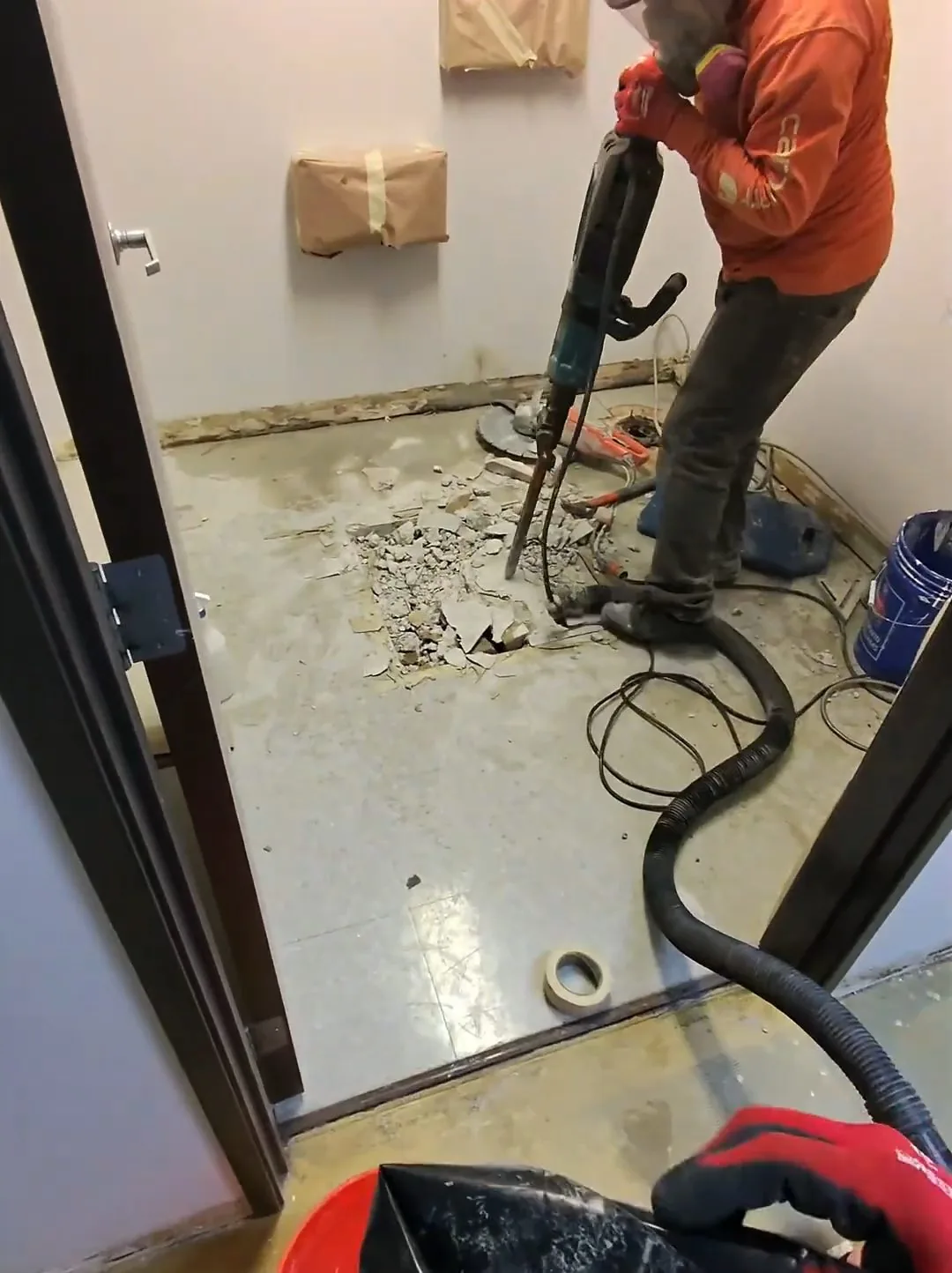
Flooring behaves differently when wet. A closet carpet soaked by a neighbor's sprinkler or a unit above is a typical case. Carpet can often be dried in place after clean water, while the pad underneath is usually replaced. Hardwood can cup as it dries unevenly, and boards may flatten again over weeks or may need replacing, which a crew can describe but cannot promise. Laminate and vinyl plank swell at the edges and rarely recover. A leak from a washer valve or an air-conditioner line can damage floor over a wide area.
Photos, notes and what to keep
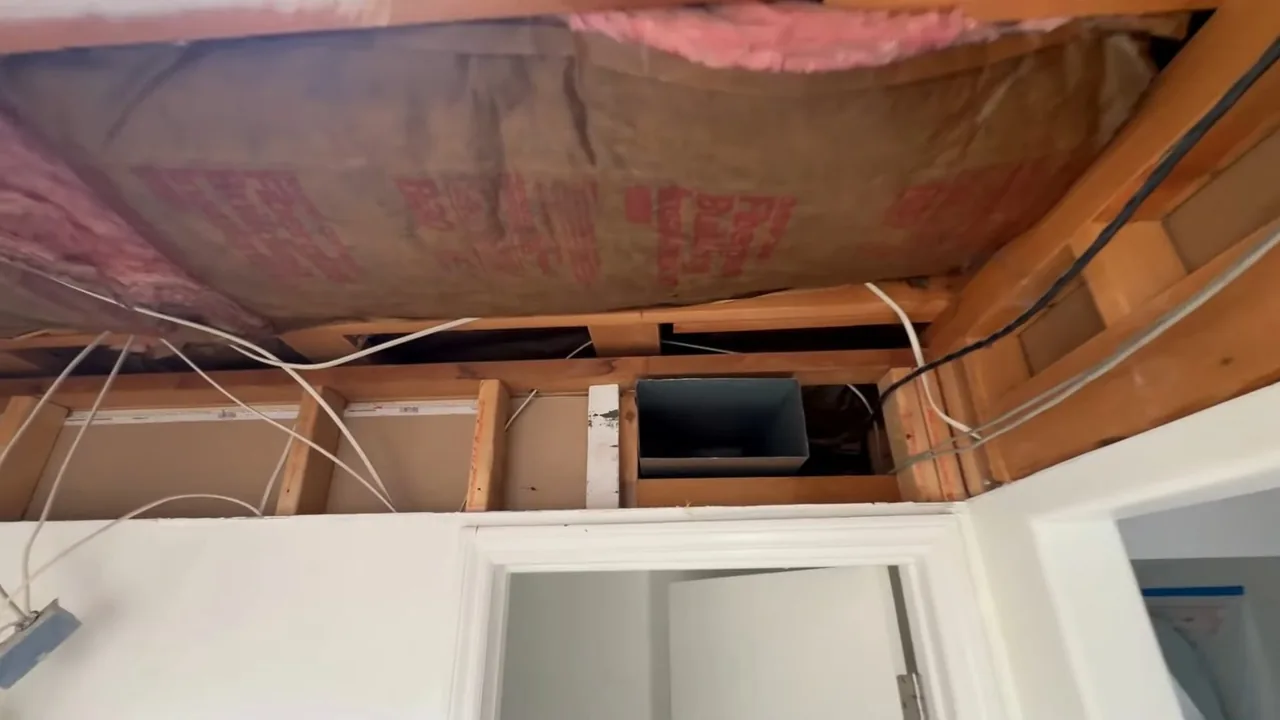
Before cleanup, photograph each wet room from two angles, including the source, the stain edges and any damaged belongings. Note the time you found the water and the time it was stopped. Keep a small sample of damaged flooring or a section of wet drywall if the crew or your insurer asks for it, and store electronics and papers away from the wet area. These records are quick to make and hard to recreate later.
Flooded crawl space, basement or whole-house flooding
Plumbing causes come first: a main supply break, a broken irrigation line or a sewage backup. Water in a crawl space or lower level of a house with one is drained, dried and checked for the cause. Flooding from storms or a river is a different problem, since the source is outside the plumbing and the water may be dirty. This page covers the plumbing-caused part and the cleanup after it.
Basement waterproofing and foundation inspection are other trades. A plumber's part is to check the supply and drain lines in the area for leaks. Exterior drainage and foundation repair belong to specialists in those fields. Multifamily, condominium and commercial properties add questions about who owns the damaged parts, so check with the association or the property manager early.
Mold remediation and removal: what happens and what to know
A residential mold remediation overview: mold grows where moisture lingers on organic materials such as drywall paper, wood and carpet pad. Drying fast is the main way to prevent it, and removing the source and the growth together is the benefit of remediation. When mold has already grown after a leak, the work is to contain the area, remove affected materials that cannot be cleaned, clean surfaces and dry the space.
Mold under a bathroom sink or at the base of a wall after a slow leak is a common case, and the leak has to be repaired first or it returns.
This page does not promise outcomes, and no crew can offer certainty about mold. Ask what the plan is, what will be removed, how the work area will be separated from the rest of the house and what readings will show when it is dry. People with asthma, allergies or weak immune systems should keep out of the area during the work and ask a doctor if symptoms continue.
Mold testing, inspection and assessment
Testing and inspection answer different questions. An inspection finds visible mold, moisture and the likely source. Testing takes air or surface samples to learn what is present, and results are explained, not promised. A musty smell with no visible growth, or a suspected spot under stairs or inside a wall, is a reason to ask for an assessment. A property manager or condominium association may ask for one as a record.
Ask who takes the samples, which laboratory reads them, when the results arrive and how the results will be explained. A result is a snapshot of that day and that spot, and it does not say how much remains behind a wall. Salvageability, meaning whether a material can be cleaned or must be replaced, is judged on its condition and explained to you rather than promised.
What happens on a job: the process, step by step
Water damage jobs follow a steady order. Understanding it helps you judge whether a crew is doing the work in a sound sequence, and lets you ask good questions at each stage.
Also covered here: leaks from roofs, ceilings, air conditioners and irrigation, insurance claims and loss documentation, and apartment, condominium and commercial losses. Mitigation, meaning the steps that limit further damage, is coordinated with the plumber who stops the source. Plumbing problems that are not water damage are on the other service pages, and plumbing calls at night are taken on the 24/7 emergency line on the homepage.
Water damage questions answered
Who stops the leak first, and who dries the damage?
The plumber or you stops the water at its source, usually at a shutoff valve. Extraction and drying follow. The leak repair and the drying are separate steps, and drying should not start until the source is stopped, or the water keeps coming.
How long does drying take?
The answer turns on the materials, the amount of water and the weather. The only reliable measure is the readings: the job is done when moisture readings match dry reference materials. Ask for the daily readings.
Do I need mold testing after a leak?
Not always. If drying began quickly and nothing smells musty or looks stained, testing may not be needed. If a leak went unnoticed or damp material stayed wet, an inspection is reasonable. Results are explained, not promised.
How is clean water different from sewage?
Clean-water losses from a supply line can often be dried, while sewage losses carry a health risk and soaked porous materials are usually removed. Tell the dispatcher which kind of water it is when you call.
What should I document for my insurance company?
Take dated photos or video before cleanup, note when you found the water and when it was stopped, list damaged items and keep the drying log and invoices. Ask your insurer what it requires, since policies differ and nothing here speaks to coverage.
Water already on the floor? Call the water damage line.
Say where the water came from, whether it is stopped and which rooms are wet. A crew serving your area is routed to the address, and license details are available on request before work begins.
Call (480) 581-1832